How to Use Single Herb Granules for Natural Healing?
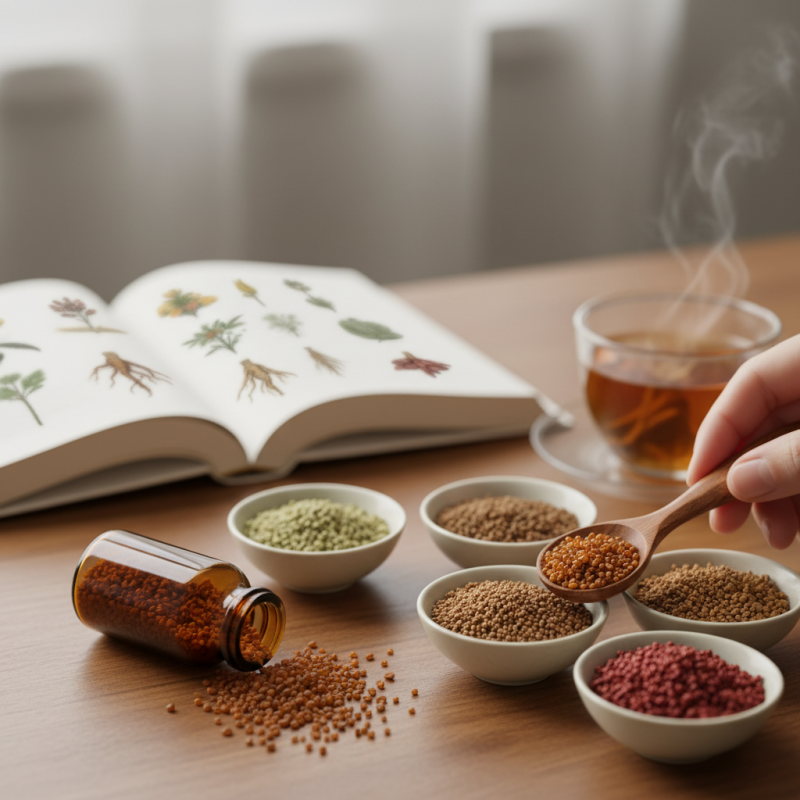
Single Herb Granules are gaining popularity in the realm of natural healing. These granules are concentrated forms of individual herbs. They offer a convenient and effective way to incorporate herbal remedies into daily routines.
Many people are turning to Single Herb Granules for their potential health benefits. They can help with various ailments, from digestive issues to stress relief. However, it’s essential to choose the right herb for your needs. Knowledge about each herb's properties is crucial.
Using Single Herb Granules may seem straightforward, but there can be challenges. Dosage varies, and not all herbs suit everyone. It’s important to reflect on individual health conditions. Everyone's body reacts differently. This can lead to unexpected outcomes. Balancing personal experience with research will enhance your healing journey.
Understanding Single Herb Granules and Their Benefits
Single herb granules are gaining popularity for their health benefits. These granules are made from concentrated extracts of individual herbs. They provide a convenient way to incorporate herbal remedies into daily routines. Research indicates that these herbal remedies can enhance overall well-being and support various health goals.
The benefits of using single herb granules are significant. Studies show that certain herbs can improve digestion and boost immunity. For instance, ginger granules may alleviate nausea and support metabolic health. According to a study by the National Institute of Health, herbal supplements can provide therapeutic effects similar to those of traditional medicine. Yet, one must consider the quality and purity of these products. Not all granules are created equal. Some may lack potency or contain fillers.
People often overlook dosage. Using the right amount is critical for effectiveness. A 2020 report found that 30% of herbal users miscalculate doses. This can lead to suboptimal results or even adverse effects. It’s vital to be mindful. Each person’s response to herbs can vary greatly. What works for one might not work for another. Thus, starting with small amounts and monitoring effects is wise.
Common Herbs Used in Granule Form for Natural Healing
Herbal granules have gained popularity for their convenience and effectiveness in natural healing. Many common herbs are available in granule form, making them accessible for daily use. Among these herbs, ginseng stands out for its energy-boosting properties. It can enhance mental clarity and improve physical performance. Another widely used herb is ginger, known for its ability to alleviate digestive discomfort. Ginger granules can be stirringly effective for nausea and other digestive issues.
Chamomile is also a favorite in granule form. Its calming effects make it ideal for easing stress and promoting better sleep. The sweet, apple-like aroma is inviting and soothing. However, it's essential to adjust dosages according to personal needs, as everyone reacts differently to herbs. Sometimes, too much of a good thing can be counterproductive.
Finally, turmeric granules provide anti-inflammatory benefits, which may aid overall health. Its vibrant yellow color can add a splash of cheer to your routine, but one should be cautious about potential allergies. Exploring these herb options can be an enriching journey. Learning how to use these granules effectively can take time, and occasional trial and error is part of the process.
How to Use Single Herb Granules for Natural Healing?
| Herb | Benefits | Common Usage | Dosage |
| Ginger | Anti-inflammatory, aids digestion | Tea, soups, supplement | 1-2 grams per day |
| Turmeric | Antioxidant, supports joint health | Capsules, smoothies, cooking | 500 mg to 1 gram per day |
| Mint | Aids digestion, freshens breath | Tea, tinctures, culinary use | 2-3 grams per day |
| Chamomile | Calming effects, aids sleep | Tea, capsules | 400-1600 mg before bedtime |
| Echinacea | Boosts immune system | Tinctures, capsules | 300-500 mg three times a day |
Preparing and Dosaging Single Herb Granules
When preparing single herb granules, precision is key. Start with a clean workspace. Use a scale to measure the exact amount needed for your needs. It’s easy to miscalculate, which can affect the outcome. Store your granules in a cool, dry place, away from sunlight. This helps maintain their potency.
Dosaging single herb granules can be tricky. Follow the recommended guidelines, but listen to your body. Sometimes it’s best to start with a smaller amount. Observe how you feel. If you notice any discomfort, reassess the dosage. Remember, not everyone reacts the same way to herbs. It’s a personal journey, and adjustments may be necessary.
Adjust as needed, but take notes. This reflection can guide future use and ensure safety.
Methods of Administration for Maximum Effectiveness
Using single herb granules can be an excellent way to enhance your natural healing journey. These granules are concentrated forms of herbs, making them potent and easy to dose. However, proper administration is crucial for maximizing their effectiveness. Research suggests that the bioavailability of herbal compounds increases when dissolved in hot water. This makes tea a preferred method. Simply boiling water and adding the granules can ensure that key nutrients are absorbed efficiently.
Another effective method is through food. Incorporating granules into soups or smoothies can improve palatability. Studies indicate that mixing herbs with fats like olive oil can enhance absorption. Still, individuals must be cautious. Some may experience slight gastrointestinal discomfort, indicating a need for adjustment in dosage. Monitoring your body's responses is essential. Starting with smaller amounts allows for better adaptation before increasing doses.
For those seeking quick relief, sublingual administration is worth considering. Placing the granules under the tongue can facilitate rapid absorption into the bloodstream. However, not all herbs may yield the same results through this method. Small groups have reported mixed experiences. Assessing individual tolerance is vital. Using single herb granules offers simplicity, but each body reacts distinctly. Experimentation and mindfulness are key to successful integration into your wellness routine.
Effectiveness of Single Herb Granules in Different Methods of Administration
Precautions and Considerations When Using Herb Granules
When using single herb granules, it’s important to keep safety in mind. Each herb has unique properties. Some may cause allergic reactions. Always do a patch test when trying a new herb. Monitor for symptoms like rash or hives. Pregnant or nursing women should consult a healthcare professional.
Dosage is another crucial factor. Too much of even a natural herb can lead to side effects. Start with a small amount. Increase gradually if well-tolerated. Keep track of how you feel. It's not just about the herb; it's how your body reacts.
Herb granules may interact with medications. Be cautious if you take other drugs. It’s wise to maintain a journal of your herb use. Record any changes in your health. Reflection on your experiences could lead to better results. Listen to your body. Sometimes less is more in natural healing.