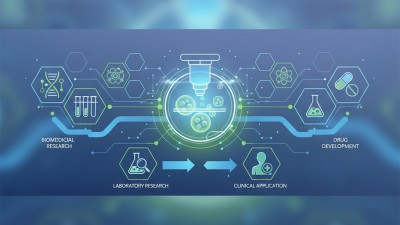
In the realm of biotechnology, cell cultivation is evolving rapidly. As we look toward 2026, several trends are emerging that promise groundbreaking advancements. Researchers are exploring new methods to improve efficiency in growing cells. For instance, automation is increasingly being integrated into cell cultivation processes. This reduces human error and enhances reproducibility.
However, challenges remain in scaling these innovations. Many biotech firms struggle to adapt to rapid technological changes. Moreover, environmental sustainability in cell cultivation is an urgent concern. It's essential to balance productivity with ecological responsibility. The methods used in cell cultivation must minimize waste and energy consumption.
Investing in sustainable practices could lead to more significant breakthroughs. Companies need to reflect on their current operations and seek improvements. The journey of cell cultivation offers exciting prospects but also demands careful consideration of its impact on our world. Exploring these trends reveals not only the potential of biotechnology but also highlights areas that require thoughtful reflection.
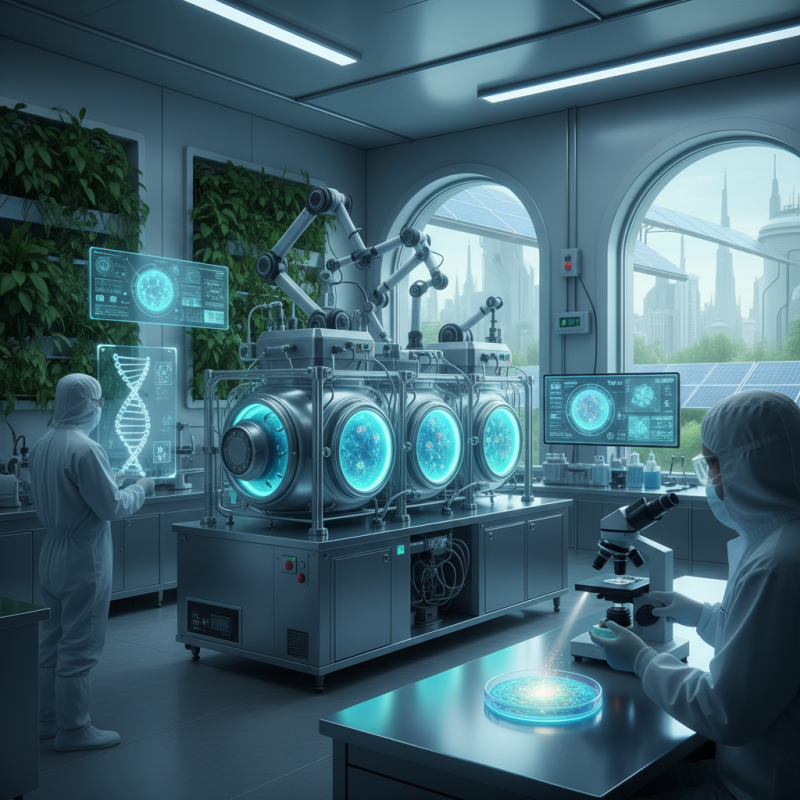
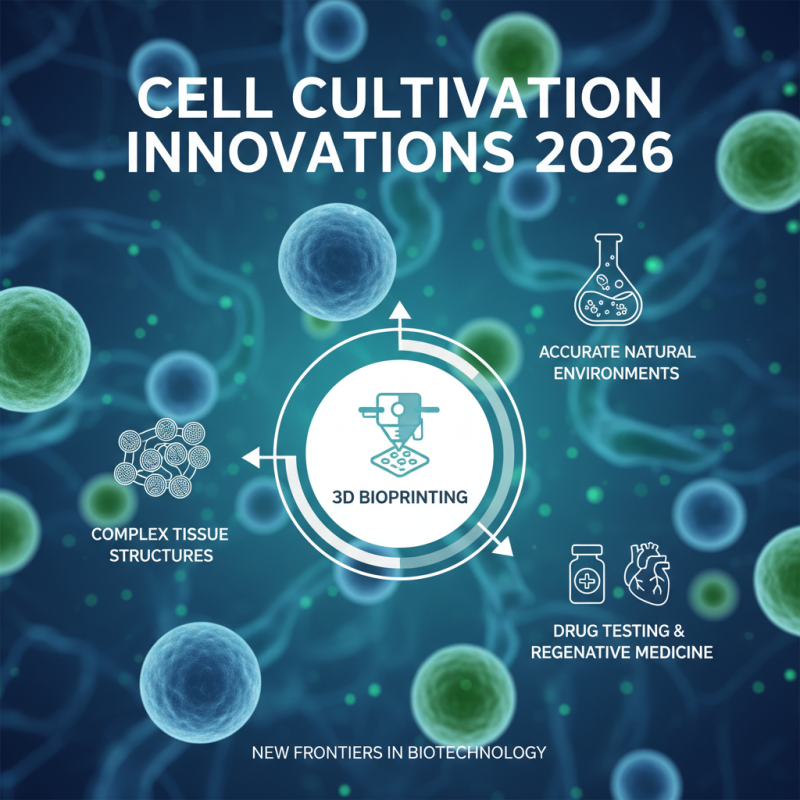
The field of cell cultivation is witnessing remarkable innovations in 2026. Techniques such as 3D bioprinting are gaining traction. This method allows for creating complex tissue structures. Researchers can now mimic natural environments more accurately. It opens new pathways for drug testing and regenerative medicine.
Another trend is the use of microfluidics. This technology enables precise control of cell environments. It can significantly improve cell growth efficiency. However, it also requires substantial technical expertise. Many teams face challenges in standardizing these techniques. Consistency remains a concern.
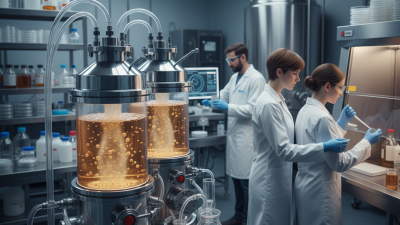
Additionally, automated cell culture systems are on the rise. They help reduce human error and increase reproducibility. Yet, reliance on automation may lead to less hands-on experience for researchers. Balancing automation with fundamental skills is crucial. The evolution of cell cultivation is exciting but requires careful consideration of its implications.
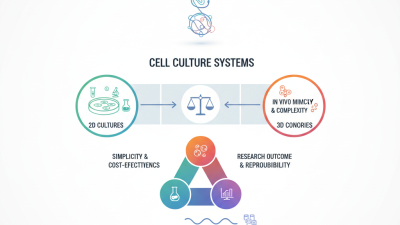
The landscape of biopharmaceuticals is changing rapidly. 3D cell culture techniques are at the forefront of these advancements. Unlike traditional methods, 3D culture mimics natural tissue environments more closely. This leads to better cell behavior and more realistic drug responses. Researchers are seeing increased cell viability and functionality.
However, challenges remain. Producing consistent and reproducible results can be difficult. Some studies show variability in data that raises questions. There is a need for standardization in protocols across laboratories. The materials used in 3D culture can also vary significantly, which complicates comparisons. Fresh approaches and techniques are necessary to address these issues.
Collaboration among scientists is essential. Sharing data and resources can foster innovation. New technologies like bioprinting hold promise but also need refinement. The goal is to create reliable models for drug discovery and development. More research is necessary to validate these models in real-world applications. The road ahead is promising, but challenges remain.
The integration of AI and machine learning into cell cultivation is reshaping biotechnology. This technology enhances efficiency in developing cell lines. By predicting growth patterns, AI saves time and resources. Labs can optimize conditions for specific cell types based on vast datasets.
Tips:
Embrace the data. Proper data collection is key. Use machine learning models to analyze growth factors. This can lead to better yields and faster processes.
AI also helps in monitoring cell health. Automated systems detect abnormalities quicker than human eyes. This continuous oversight reduces risks. However, over-reliance on these systems could lead to missed nuances. Balancing human expertise with technology is essential.
Exploring the unknown is part of growing in biotech. Embrace the imperfections. Not every trial will succeed. Let failures guide future experiments. Adaptation is crucial for growth.
Cell cultivation is evolving rapidly, with sustainability at its core. According to a report by Grand View Research, the global cell culture market is projected to reach $10.7 billion by 2025. This growth underscores a trend toward eco-friendly practices. More companies are adopting renewable resources. They seek to minimize waste and conserve water. Technologies like bioreactors are being optimized for lower energy consumption. Still, challenges persist.
Many laboratories struggle with the transition to sustainable methods. Eco-friendly alternatives may not always match traditional techniques in terms of efficiency. This raises questions about scaling up production. The Fraser Institute highlights that 30% of biotech firms cite cost as a barrier. They find it hard to justify the initial investment for greener technologies. Yet, the long-term benefits could outweigh the costs.
Innovation in cell cultivation requires commitment. Researchers are experimenting with various biodegradable materials. These materials may replace conventional plastic. The 2021 Cell Culture Industry Report emphasizes the need for a circular economy. By rethinking waste management, the industry can make significant strides. However, creating a fully sustainable model remains a work in progress, demanding collective effort and reflection.
| Trend | Description | Sustainability Impact | Innovation Potential |
|---|---|---|---|
| Automated Cell Culture Systems | Integration of robotics and AI to enhance efficiency and precision in cell cultivation. | Reduces waste and resource consumption. | High potential for scaling and consistent results. |
| 3D Cell Culture Technologies | Use of scaffolding and matrix systems to simulate natural cell environments for better growth. | Promotes responsible use of biomaterials. | Enhances drug testing and development processes. |
| Sustainable Cell Lines | Development of cell lines optimized for lower resource consumption and higher yields. | Lowers carbon footprint of bioproduction. | Facilitates breakthroughs in genetic therapies. |
| Bioreactor Innovations | Advanced bioreactor designs that improve mass transfer and nutrient delivery. | Enhances resource efficiency and minimizes by-products. | Increasing productivity in biotech manufacturing. |
| CRISPR and Gene Editing | Utilization of CRISPR technology to create more resilient cell lines. | Supports sustainable practices by reducing the need for various reagents. | Potential for revolutionary advancements in therapies. |
Cell cultivation plays a crucial role in personalized medicine. By growing specific cell types, researchers can create tailored therapies for individual patients. This approach considers genetic, environmental, and lifestyle factors. It aims to improve treatment efficacy and reduce side effects.
Innovations in cell cultivation techniques are essential. For instance, 3D cell culture models better mimic human tissues. These models allow for more accurate drug testing and disease modeling. However, challenges remain. Standardizing these processes can be difficult. Variations in growth conditions often lead to inconsistent results.
Moreover, ethical considerations in cell sourcing cannot be ignored. Transparency and consent are paramount. As personalized medicine evolves, researchers must balance innovation with responsibility. This evolution requires continuous reflection on methods and impacts on society. Addressing these issues will be key to advancing personalized therapies.