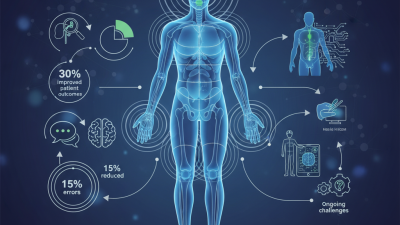
Cell research has been revolutionizing biomedical science, leading to groundbreaking advancements. Renowned expert Dr. Emily Chang notes, "Every breakthrough in cell research opens new doors for healing." This insight captures the essence of current innovations that profoundly impact health.
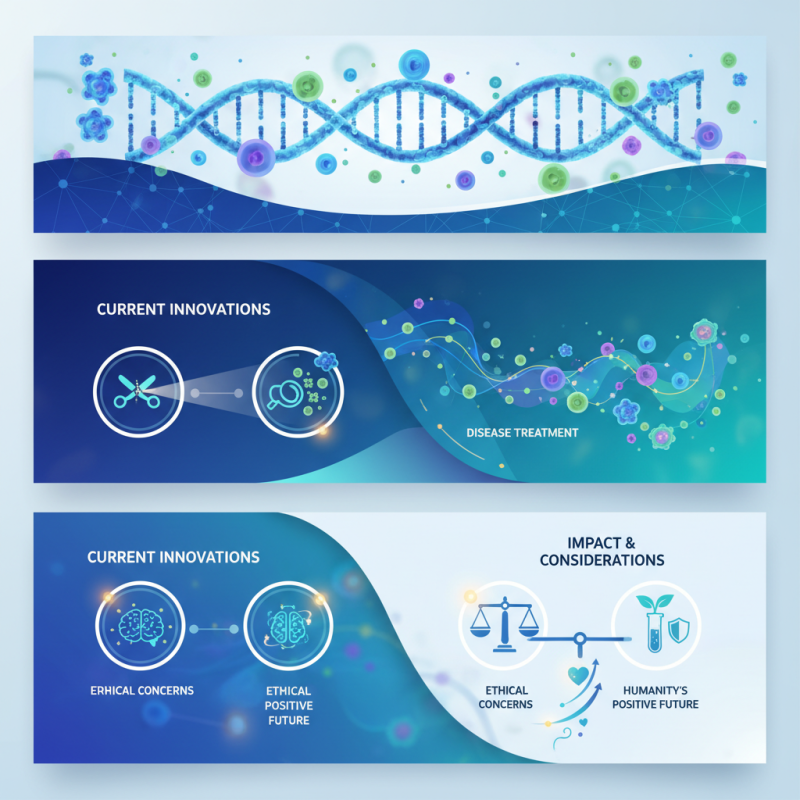
In the world of cell research, emerging technologies blend complexity with simplicity. Tools such as CRISPR and advanced imaging techniques showcase remarkable potential. Researchers are now able to edit genes with pinpoint precision, transforming the landscape of disease treatment. Yet, these advancements come with ethical concerns and unforeseen challenges.
Innovation in cell research is not without its flaws. Each discovery prompts questions that require deep reflection. The drive for progress must be balanced with a consideration of consequences. As we explore the top innovations in this domain, we must remain vigilant in ensuring that our advances serve humanity positively.
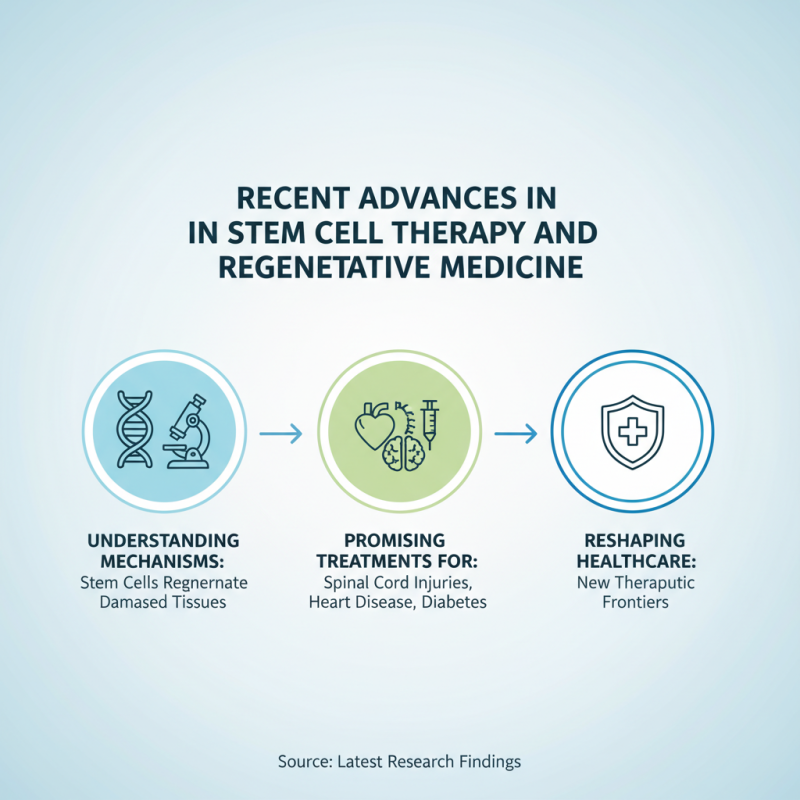
Recent advances in stem cell therapy and regenerative medicine are reshaping healthcare. Researchers have made significant strides in understanding how stem cells can regenerate damaged tissues. This research holds promise for treating conditions like spinal cord injuries, heart disease, and diabetes.
One fascinating development involves genetically engineered stem cells. These cells are modified to enhance their ability to repair tissues. In laboratory settings, scientists have witnessed remarkable recovery in animal models. However, translating these findings into human therapies presents challenges like ensuring safety and effectiveness.
Tips: Consider seeking institutions that specialize in stem cell therapies. Always ask about the latest clinical trials. Staying informed can empower your decisions.
Another intriguing area is induced pluripotent stem cells (iPSCs). They are derived from adult cells and have the potential to become any cell type. This innovation opens new doors for personalized medicine. Yet, the long-term effects remain uncertain, and ethical considerations are essential.
As the field evolves, vigilance in patient advocacy is crucial. Transparency in research and clinical applications will foster trust. Engaging with researchers and staying updated can lead to increased awareness of both progress and lingering risks in stem cell treatments.
CRISPR technology is reshaping gene editing in cell research. This groundbreaking method allows scientists to modify DNA with unprecedented precision. By utilizing a natural defense mechanism found in bacteria, researchers can target specific genes. This capability opens doors to new treatments for genetic disorders.
However, the use of CRISPR is not without challenges. Ethical concerns arise regarding potential misuse. The long-term effects of gene editing remain uncertain. While CRISPR shows promise in curing diseases like cystic fibrosis, unforeseen consequences may emerge. Researchers stress the importance of ongoing dialogue about these implications.
As CRISPR-based innovations continue to evolve, the scientific community must tread carefully. Balancing progress with responsibility is vital. Transparent research practices will foster trust in these transformative technologies. We must reflect on the ethical dimensions and societal impacts of our advancements to ensure responsible usage in the future.
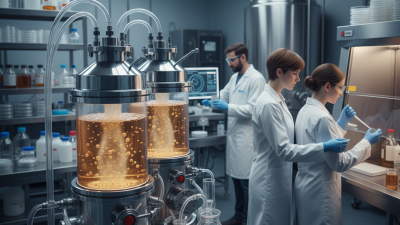
Organoids represent a significant leap in biomedical research. These miniature models resemble human organs and provide a unique platform for studying human organ function. Scientists grow organoids from stem cells, mimicking the architecture and cellular diversity of real tissues. This innovative approach allows researchers to observe disease progression and test treatments in a more accurate environment than traditional cell cultures.
Recent studies have demonstrated the potential of organoids for understanding various diseases. For instance, scientists use brain organoids to explore neurological disorders. They can observe how neurons develop and how diseases affect brain function over time. Some organoids even respond to drugs in ways similar to human patients. This offers insights that could accelerate drug discovery.
However, challenges remain in replicating the complexity of human organs. Not all organoid models fully capture the interactions that occur in actual organs. The field is still advancing, and some researchers argue for improved protocols. These limitations remind us that while organoids are promising, they are not perfect. They require ongoing refinement to enhance their reliability and applicability in clinical settings.
Cellular reprogramming is a groundbreaking area of research. Scientists have developed techniques to convert adult cells into induced pluripotent stem cells (iPSCs). These iPSCs can differentiate into any cell type. This ability opens doors for regenerative medicine and therapy development.
Researchers utilize various methods to induce pluripotency. They often introduce specific genes into adult cells using viruses or other methods. This step can be complex, sometimes leading to undesirable mutations. The efficiency of these processes varies, raising concerns about safety and effectiveness. Continuous refinement of these techniques is essential.
The potential for personalized medicine is immense. For instance, patient-specific iPSCs can be created from skin cells. This means tailored treatments for conditions such as Parkinson's disease could become a reality. However, ethical considerations in using stem cells remain a topic for debate. Monitoring and regulation are crucial for responsible research in this field.
| Innovation | Description | Year Introduced | Significance |
|---|---|---|---|
| Cellular Reprogramming | The process of converting adult somatic cells into induced pluripotent stem cells (iPSCs). | 2006 | Potential to create patient-specific stem cells for personalized medicine. |
| CRISPR-Cas9 | A technology used for gene editing that allows for precise alterations to DNA. | 2012 | Revolutionized genetic engineering and has implications for treating genetic disorders. |
| 3D Cell Culture | A method of growing cells in a three-dimensional environment that mimics in vivo conditions. | 2010 | Improves the study of cell behavior and drug response compared to traditional 2D cultures. |
| Organoids | Miniaturized and simplified organs produced from stem cells that replicate some functions of real organs. | 2013 | Facilitates drug testing and disease modeling in a more physiological environment. |
| Single-Cell Sequencing | Techniques that allow the sequencing of individual cells to understand cellular diversity. | 2015 | Enhances insights into cellular functions and disease processes at the single-cell level. |
| Synthetic Biology | An interdisciplinary branch that combines biology and engineering to design and construct new biological parts. | 2000s | Could lead to new biofuels, therapies, and methods for disease treatment. |
| Gene Therapy | A technique that modifies genes to treat or prevent disease, potentially correcting genetic defects. | 1990s, with significant advancements in 2020s | Offers hope for previously untreatable genetic diseases. |
| Stem Cell Therapy | Uses stem cells to treat or prevent a disease or condition, involving regeneration of damaged tissues. | 21st Century | Promising treatments for degenerative diseases and injuries. |
| Cellular Senescence | The process by which cells cease to divide and undergo distinct phenotypic alterations. | Ongoing research since 2000s | Links to aging and age-related diseases, with potential for therapeutic targets. |
| Cell-based Immunotherapy | A treatment that uses the body’s immune system to fight diseases, including cancer. | 2010s | Promising results in cancer treatments using engineered immune cells. |
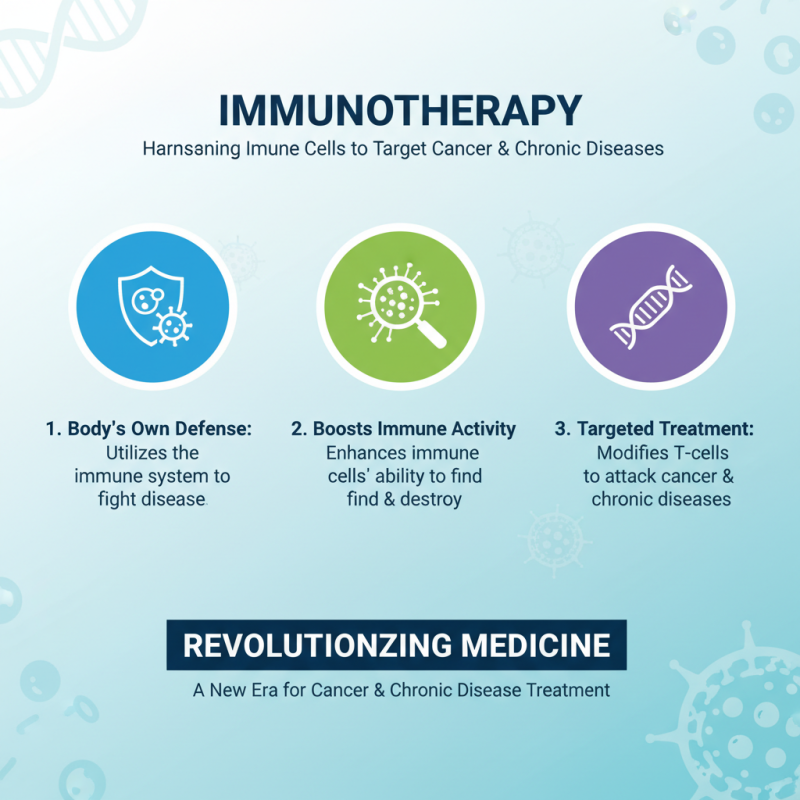
Immunotherapy has revolutionized cancer treatment by utilizing the body’s own immune system. Researchers are uncovering ways to boost immune cell activity against tumors. By modifying T-cells, scientists enhance their ability to seek and destroy cancer cells. This innovative approach shows promise for treating not just cancer but also chronic diseases.
Clinical trials highlight impressive results. Some patients experience remarkable remissions. However, challenges remain. Not all patients respond to therapy. Side effects can be severe and unpredictable. Understanding the immune system's complexities is crucial to improving treatment efficacy.
The journey of immunotherapy is ongoing. Continuous research is essential for discovering more effective strategies. It’s vital to learn from both successes and setbacks. This evolving field challenges scientific understanding and demands further exploration. Ultimately, the hope is to create tailored treatments that offer long-lasting solutions for various diseases.