
Choosing a reliable Sea Cucumber Peptide supplier requires more than comparing prices or attractive product pages. Buyers need clear evidence, practical experience, and consistent communication from the first inquiry. This guide introduces ten notable suppliers worldwide and explains the factors that separate credible manufacturers from uncertain sources.
The review considers raw material traceability, extraction methods, peptide concentration, testing procedures, packaging, and production capacity. It also examines certifications, documentation, sample policies, and responsiveness. A trustworthy supplier should provide current certificates of analysis, microbiological results, heavy metal testing, and batch information when requested. Details matter. A sealed sample, readable label, and stable powder can reveal more than polished marketing language.
Still, no supplier list is permanently complete. Market positions change, facilities improve, and product quality may vary between batches. A certificate alone does not guarantee dependable performance. Independent testing remains valuable, especially for commercial buyers developing supplements, functional foods, or cosmetic formulas. Some suppliers may appear highly competitive but offer limited technical support after payment. That weakness deserves attention.
This introduction is based on practical sourcing considerations rather than unverified promotional claims. The selected companies should be assessed against each buyer’s intended application, regional requirements, minimum order volume, and delivery expectations. Readers should request recent documents directly and confirm specifications before making a purchase. Small details can prevent expensive mistakes. Reliable decisions take time.
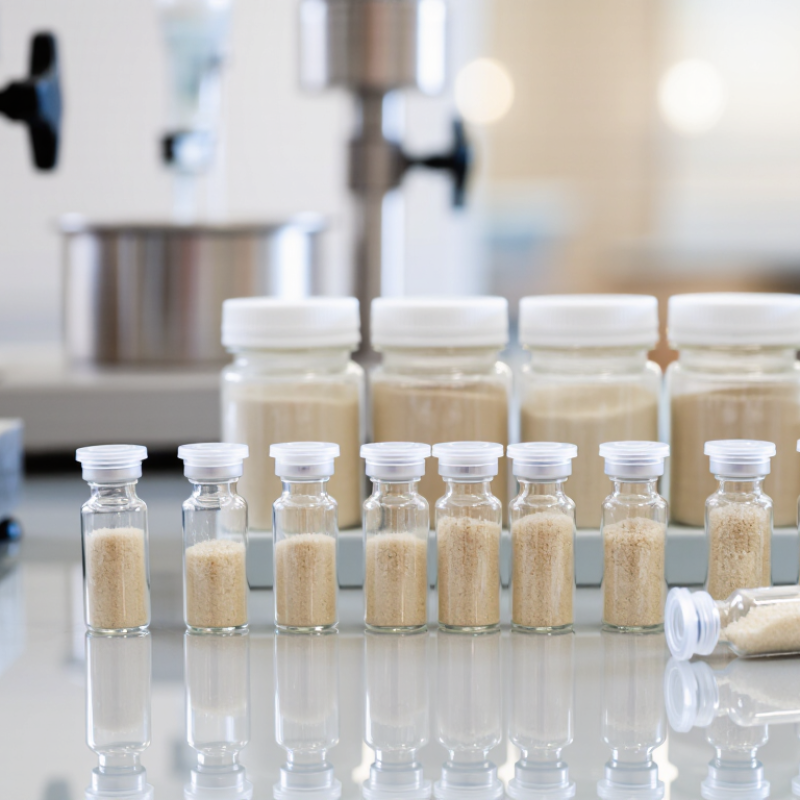
Sea cucumber peptides are short protein fragments produced by enzymatic hydrolysis of sea cucumber tissue, including skin, muscle, and connective structures. Their value depends on peptide size, amino acid sequence, and processing control. Smaller fractions may dissolve easily in water, but “smaller” does not automatically mean more effective.
The evidence is promising, but incomplete. Peer-reviewed studies commonly report antioxidant, anti-inflammatory, antimicrobial, and angiotensin-converting enzyme inhibitory activity. Most findings remain based on cell or animal models. Human evidence is still limited. A 2024 FAO fisheries report recorded about 185 million tonnes of global aquatic animal production in 2022, showing the scale of the wider marine ingredient sector. However, that figure does not measure sea cucumber peptide output. That distinction matters.
Practical uses include functional foods, dietary supplements, cosmetic formulations, and laboratory research. A professional buyer should request molecular-weight distribution, peptide concentration, amino acid analysis, microbiological results, and heavy-metal testing. Traceability should cover harvesting, species identification, drying, hydrolysis, and storage. Third-party verification adds credibility. I would also question dramatic claims about joint repair, immunity, or rapid weight loss. They often exceed available clinical evidence. The sensory details are practical: a quality hydrolysate should show consistent solubility, controlled odor, and stable moisture levels. Batch variation remains a real concern. Better reporting is still needed.
| Rank | Source Species / Material | Typical Peptide Definition | Reported Bioactive Profile | Common Supply Form | Potential Uses | Evidence and Quality Considerations |
|---|---|---|---|---|---|---|
| 1 | Apostichopus japonicus Japanese sea cucumber; body-wall proteins | Enzymatic hydrolysates commonly enriched in low-molecular-weight fractions, often below 3 kDa. | Antioxidant, anti-inflammatory, antimicrobial, and potential antihypertensive activities have been reported in in-vitro or animal studies. | Food-grade dried body wall, protein hydrolysate, spray-dried powder, or fractionated peptide powder. | Functional foods, nutraceutical research, antioxidant formulations, and cosmetic ingredient screening. | Verify species authentication, hydrolysis enzyme, molecular-weight distribution, microbiological safety, and heavy-metal limits. |
| 2 | Holothuria scabra Sandfish; body wall and processing by-products | Short peptides generated from collagen-rich and muscle-associated proteins during controlled hydrolysis. | Reported antioxidant, anti-inflammatory, antimicrobial, and cell-protective potential. | Frozen or dried raw material, aqueous hydrolysate, and powdered peptide concentrate. | Marine functional-food development, protein recovery, and laboratory bioactivity studies. | Results depend strongly on pretreatment, enzyme selection, degree of hydrolysis, salinity, and desalination. |
| 3 | Cucumaria frondosa North Atlantic sea cucumber; body wall | Protein hydrolysates containing short peptides and collagen-derived peptide sequences. | Antioxidant and anti-inflammatory effects have been investigated, while collagen-related fractions are studied for skin and connective-tissue applications. | Dried whole animal, minced tissue, hydrolysate liquid, or freeze-dried powder. | Nutraceutical research, collagen-peptide products, and marine by-product valorization. | Cold-water sourcing and seasonal variation may affect protein composition and peptide yield. |
| 4 | Holothuria atra Black sea cucumber; body wall proteins | Low-molecular-weight peptides produced by protease-assisted hydrolysis of tissue proteins. | Antioxidant and antimicrobial properties have been reported in experimental assays. | Dried tissue, aqueous extract, hydrolysate, and laboratory-scale purified fractions. | Bioactive peptide discovery, food-preservation research, and cosmetic ingredient screening. | Bioactivity should be confirmed using standardized assays because extraction conditions can alter results. |
| 5 | Stichopus horrens Spiny sea cucumber; body wall and viscera | Hydrolyzed protein fractions containing short peptides, including collagen-associated sequences. | Antioxidant, antimicrobial, and anti-inflammatory potential has been explored in laboratory studies. | Dried raw material, enzymatic hydrolysate, and concentrated peptide powder. | Functional-food prototypes, marine protein utilization, and peptide-screening programs. | Require controls for salt, ash, moisture, oxidation, and species substitution. |
| 6 | Isostichopus badionotus Caribbean sea cucumber; body wall | Protease-generated peptide mixtures obtained from soluble tissue proteins. | Antioxidant and antimicrobial activities have been examined in vitro; some fractions are also evaluated for anti-inflammatory effects. | Frozen or dried tissue, hydrolysate concentrate, and research-grade peptide fractions. | Marine biotechnology, food ingredient research, and bioactive peptide screening. | Geographic origin, harvest season, and post-harvest handling can influence peptide profiles. |
| 7 | Parastichopus californicus California sea cucumber; body wall | Collagen-rich and soluble protein hydrolysates containing short-chain peptides. | Antioxidant activity and collagen-peptide functionality are the principal research themes. | Frozen tissue, dried powder, collagen hydrolysate, or fractionated peptide material. | Protein ingredients, cosmetic research, nutritional formulations, and by-product recovery. | Amino-acid composition, peptide-size profile, allergen statement, and contaminant testing are essential. |
| 8 | Holothuria leucospilota White-thread sea cucumber; body wall | Short peptide mixtures obtained through enzymatic hydrolysis of marine tissue proteins. | Reported in experimental research for antioxidant and antimicrobial potential. | Dried tissue, liquid hydrolysate, desalted concentrate, and laboratory fractions. | Bioactive peptide research, functional-food development, and natural-product screening. | Commercial suitability requires validated identification and reproducible batch-to-batch peptide fingerprints. |
| 9 | Holothuria fuscogilva White teatfish; body wall proteins | Peptide-rich hydrolysates generated from soluble proteins and collagen-associated material. | Antioxidant and anti-inflammatory potential has been investigated in preclinical and in-vitro work. | Whole dried material, hydrolysate powder, or purified research fraction. | Nutraceutical research, marine collagen development, and cosmetic formulation studies. | Sustainable sourcing and legal harvest documentation are especially important for traded tropical species. |
| 10 | Mixed-species or by-product peptide streams Viscera, trimming material, and processing residues | Unfractionated or partially fractionated marine protein hydrolysates; peptide size varies by process. | Antioxidant, antimicrobial, and metal-chelating activities may occur, but composition is more variable. | Frozen by-product, dried meal, enzymatic hydrolysate, or spray-dried powder. | Circular-economy ingredients, animal-feed research, fermentation substrates, and discovery programs. | Species traceability, allergen management, microbial control, oxidation testing, and molecular-weight profiling are critical. |
| Important note: Reported bioactivities do not automatically establish clinical efficacy. Intended food, supplement, cosmetic, or research use should be supported by applicable safety testing, regulatory review, identity verification, and batch-specific analytical data. | ||||||
