What Are Suspension Cells and Their Applications in Biotechnology?
Suspension cells play a crucial role in the field of biotechnology. These cells, cultivated in a floating state, provide unique advantages. Various industries utilize suspension cells for their research and commercial applications. Dr. Jane Smith, a leading expert in cell biology, once stated, “Suspension cells revolutionize the way we approach biomanufacturing.”
The benefits of suspension cells are evident. They allow for efficient cultivation and scaling of cells. This adaptability makes them ideal for producing vaccines and therapeutic proteins. Companies increasingly rely on these cells for their versatility. However, challenges remain in optimizing growth conditions. Scientists often grapple with maintaining cell viability and productivity over time.
Applications in biotechnology are vast but complex. Understanding the nuances of suspension cells is essential. Future advancements may bring about new breakthroughs in regenerative medicine and drug discovery. The ongoing research highlights the need for continuous improvement in this field. Exploring these challenges will be key to harnessing the full potential of suspension cells.
Definition and Characteristics of Suspension Cells in Cell Culture
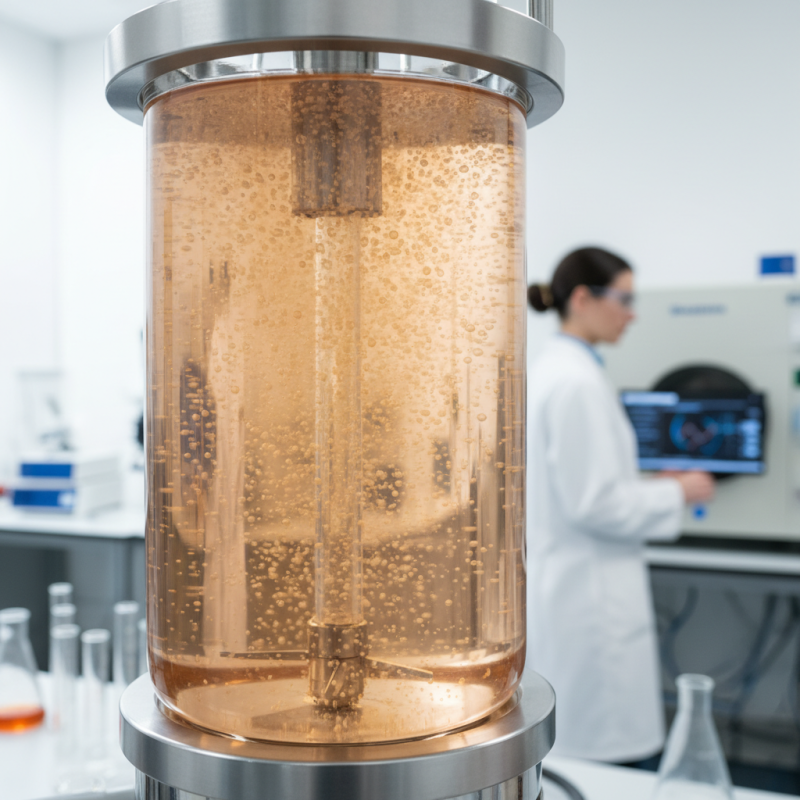
Suspension cells are a vital component in biotechnology. They are cells that grow in a liquid medium, floating freely. This setting allows for easy scaling and manipulation during experiments. Suspension cells are often derived from mammalian or plant sources. They can proliferate rapidly, making them ideal for large-scale production.
These cells are characterized by their ability to grow without a solid surface. This unique trait makes them different from adherent cells, which require attachment for growth. Suspension cells can be easily harvested and manipulated. They are commonly used in the production of vaccines and therapeutic proteins. Their utility extends to drug discovery, where they assist in screening potential compounds.
However, working with suspension cells can present challenges. Maintaining cell viability is crucial, yet not always guaranteed. The culture conditions must be optimized. Parameters like pH, nutrient concentration, and oxygen levels require careful monitoring. Sometimes, unexpected contamination occurs. Learning to troubleshoot these issues can be complex. Researchers often find themselves reflecting on improvement in their techniques and methodologies. This highlights the ongoing journey of discovery in cellular biotechnology.
What Are Suspension Cells and Their Applications in Biotechnology?
| Cell Type |
Characteristics |
Common Applications |
Culture Conditions |
| HeLa Cells |
Immortal human cervical cancer cells |
Vaccine production, cancer research |
RPMI 1640 medium, 37°C, 5% CO2 |
| Chinese Hamster Ovary (CHO) Cells |
Mammalian cells, capable of post-translational modifications |
Monoclonal antibody production, protein expression |
F-12K medium, 37°C, 5% CO2 |
| K562 Cells |
Human chronic myeloid leukemia cells |
Research into leukemia, drug resistance |
RPMI 1640 medium, 37°C, 5% CO2 |
| Jurkat Cells |
Human T lymphocyte cells |
Immunology studies, T-cell activation |
RPMI 1640 medium, 37°C, 5% CO2 |
| NS0 Cells |
Mouse myeloma cells |
Monoclonal antibody production |
DMEM medium, 37°C, 5% CO2 |
Types of Suspension Cells Used in Biotechnological Applications
Suspension cells are crucial in biotechnology. They can grow freely in a nutrient-rich liquid. Their flexibility makes them ideal for various applications. Several types of suspension cells are commonly used.
One prominent type is mammalian suspension cells. These cells can produce proteins and antibodies. They thrive in bioreactors, adapting well to different conditions. In contrast, insect suspension cells also play a role. They are often used for vaccine production due to their unique physiology. Their growth may not be as robust as mammalian cells, leading to possible limitations.
Plant suspension cells are another interesting category. They can synthesize valuable compounds like alkaloids and flavonoids. However, their growth rates can be slow, which poses challenges. Optimizing growth conditions is essential but remains a work in progress. Each cell type has its strengths and weaknesses, making careful choice vital for successful bioprocesses. Industry applications reflect the diversity and potential of these cells.
Types of Suspension Cells Used in Biotechnological Applications
This chart illustrates the application volumes of different types of suspension cells used in biotechnological applications. Each type of cell, such as HEK293 and CHO, is represented along with its corresponding application volume in liters.
Methods for Culturing and Maintaining Suspension Cells
Suspension cells are crucial in biotechnology. Culturing and maintaining these cells require specific techniques. The most common method is using liquid media. Such media must provide the right nutrients. pH levels also need regular monitoring. Temperature control is vital for optimal growth.
Ideal culture conditions often remain elusive. Some cells prefer low oxygen levels, while others thrive in higher concentrations. Selecting the right temperature is another challenge. Too hot or too cold can hinder cell growth. Regularly adjusting these conditions can be frustrating. Yet, careful observation helps improve outcomes.
Passaging is another key component. It prevents over-confluency, which can lead to cell death. However, determining the right frequency can be difficult. Over-passage may lead to genetic drift. Keeping a consistent schedule requires diligence and attention. While techniques improve, not all experiments yield desired results. Each attempt provides valuable insights for future trials.
Applications of Suspension Cells in Pharmaceutical Production
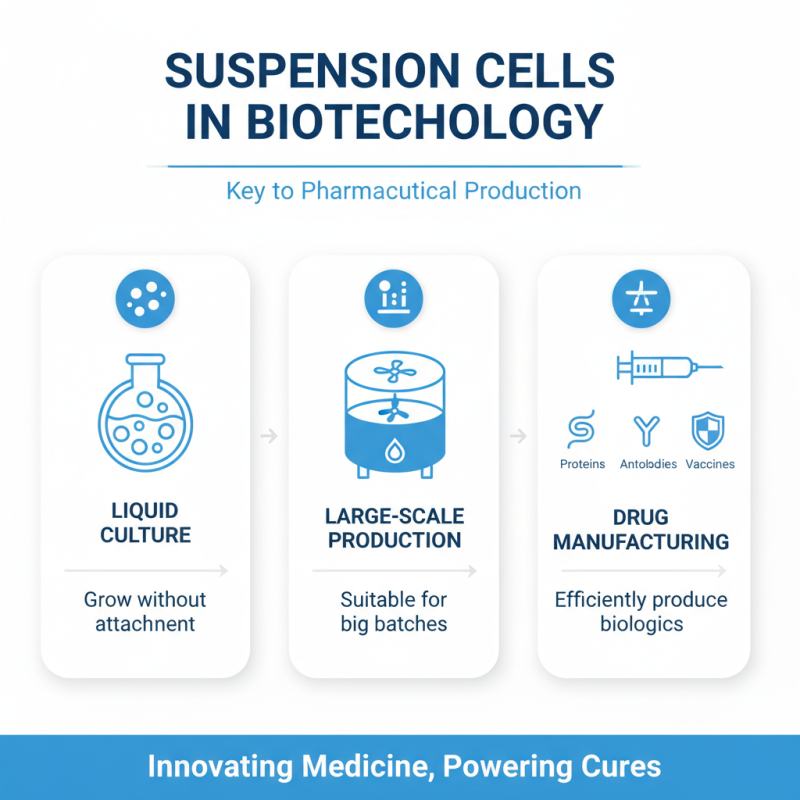
Suspension cells play a vital role in biotechnology, particularly in pharmaceutical production. These cells are cultured in a liquid medium, allowing them to grow without being attached to a surface. This characteristic makes them suitable for large-scale processes. In drug manufacturing, suspension cells efficiently produce proteins, antibodies, and vaccines.
In pharmaceutical applications, the ability to manipulate growth conditions is crucial. Adjustments in temperature, pH, and nutrient supply can optimize product yield. However, inconsistencies in cell behavior can pose challenges. Some batches may not perform as expected. This variability needs further exploration. It's essential to fine-tune these conditions to ensure reliable outcomes.
Moreover, suspension cells allow for rapid scaling during production. They can adapt to larger bioreactors seamlessly. Yet, monitoring their growth is necessary to maintain quality. Technicians often encounter unexpected issues, like cell clumping. Addressing these hurdles requires constant attention and innovative solutions. The potential for improving pharmaceutical production remains significant, even while challenges exist.
Challenges and Future Directions in Suspension Cell Technology
Suspension cell technology presents significant challenges that researchers must address. One pressing issue is the optimization of cell growth conditions. Inconsistent nutrient availability can lead to variations in cell density and productivity. Data indicates that nearly 30% of cell cultures experience stunted growth due to suboptimal environmental factors. This inconsistency can hinder the scalability of biotechnological applications.
Another challenge involves genetic stability in suspension cells. As these cells proliferate, mutations can occur, impacting their functionality. Reports show that around 15% of suspension cell lines exhibit genetic drift over multiple passages. This instability raises concerns in applications like biopharmaceutical production, where uniformity is crucial. Researchers need to focus more on analytical techniques to monitor these changes effectively.
Looking ahead, advancements in bioprocess technology are essential. Efforts to integrate automation could streamline the cultivation process. Additionally, investing in advanced genomic tools might enhance our understanding of gene expression variations. As the field evolves, addressing these challenges will be key to maximizing the potential of suspension cells in biotechnology.