What are Suspension Cells and Their Applications in Industry?
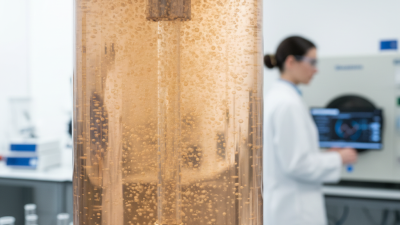
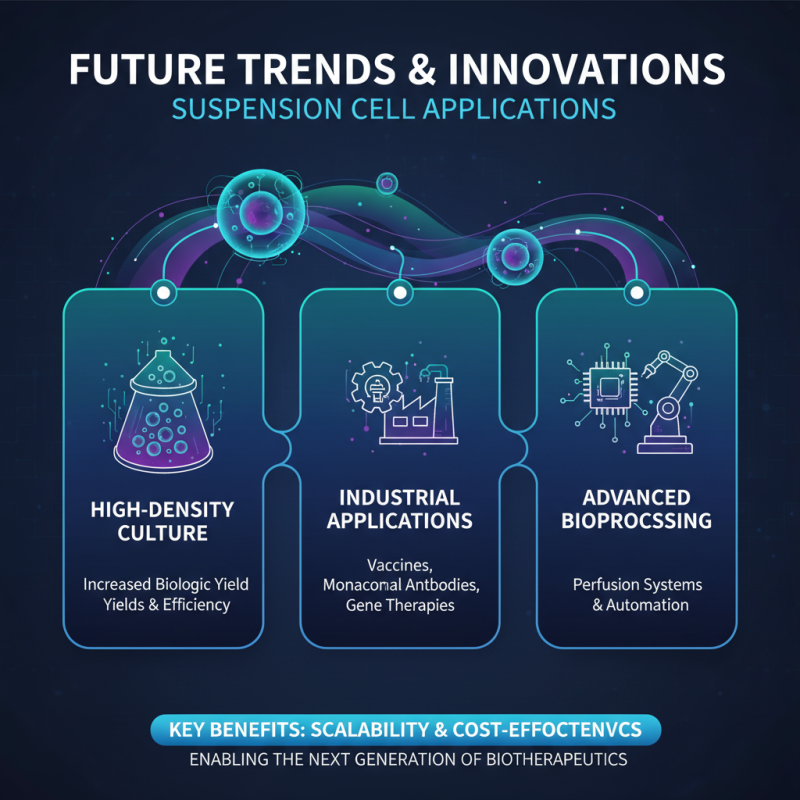
Suspension cells represent a vital component in various industrial processes. These are specialized cells grown in a liquid medium, allowing them to remain suspended and actively divide. Their unique properties enable significant applications in biotechnology and pharmaceuticals. Industries leverage suspension cells for producing vaccines, therapeutic proteins, and even enzymes.
The widespread use of suspension cells stems from their scalability and efficiency. They can grow rapidly and yield large quantities of desired products. This growth potential translates into lower costs and faster production times in commercial settings. However, not all cell lines work equally well in suspension. Researchers often face challenges in optimizing conditions for specific applications.
Understanding the nuances of suspension cells is crucial for industry professionals. Each application requires tailored strategies for cell cultivation and maintenance. Moreover, ongoing research continues to illuminate new methods for enhancing the performance of these cells. Balancing innovation and practicality remains an ongoing quest for cultivating suspension cells effectively.
What are Suspension Cells and Their Biological Characteristics?
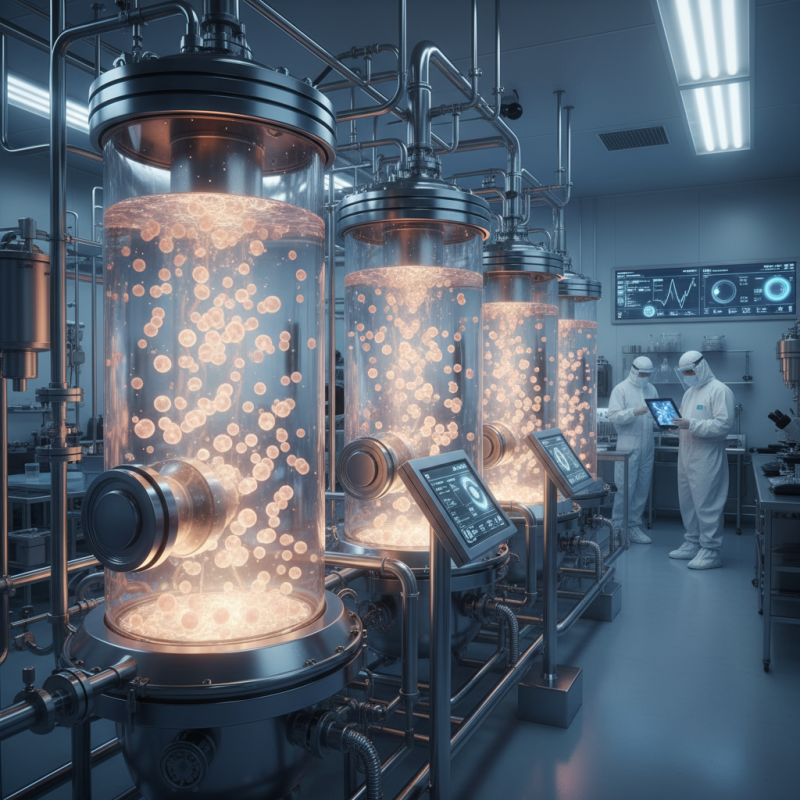
Suspension cells are a fascinating topic in cell biology. They are cells that grow suspended in a liquid medium. This uniqueness allows them to be used for various applications in research and industry. They are often derived from adherent cells but adapted to thrive in suspension. This modification enhances their growth rates and scalability.
Biologically, suspension cells exhibit specific characteristics. They typically have a smaller cell size compared to adherent cells. This feature allows for a higher density cell culture, which is crucial in industrial settings. They are less complex in their cellular architecture, simplifying maintenance and bioprocessing. However, their behavior in culture can be unpredictable. Variations in growth rates are common. Researchers often observe differences in biochemical properties as cells adapt to their environment.
In industry, these characteristics have practical implications. Suspension cells are widely used in producing antibodies and vaccines. Their scalability makes them ideal for large-scale production. However, the need for constant monitoring is essential. Inconsistencies in growth can affect yield and quality. Understanding these nuances is vital for successful applications in biotechnology and pharmaceuticals. Exploring these biological characteristics helps in refining processes and improving results.
Historical Development and Evolution of Suspension Cell Techniques
The evolution of suspension cell techniques has significantly impacted various industries. In the early 20th century, researchers began experimenting with cell suspension cultures. Initially, methods were rudimentary and lacked the precision we see today. Over time, advances in technology led to better methodologies for producing suspension cells. This transition improved the ability to maintain cells in a nutrient-rich environment.
By the 1980s, a clearer understanding of cell biology emerged. Reports indicated that the global market for suspension cells reached approximately $1.5 billion in 2020, reflecting their importance in bioprocessing and drug development. The power of suspension cells lies in their ability to grow in large quantities, yielding significant amounts of biomolecules. However, there are still challenges, such as maintaining cell viability and function during prolonged culture.
The necessity for robust, scalable suspension cultures is more relevant than ever. Industry needs continue to drive research. Despite substantial progress, some techniques still require refinement. Ongoing studies aim to address these gaps. As industries evolve, so must our approach to suspension cell technology. The journey of advancement will pose questions and require critical examination for further success.
What are Suspension Cells and Their Applications in Industry? - Historical Development and Evolution of Suspension Cell Techniques
| Year |
Development Milestone |
Key Applications |
Impact on Industry |
| 1940s |
Introduction of Hybridoma Technology |
Monoclonal Antibody Production |
Revolutionized diagnostics and therapeutics |
| 1970s |
Development of Suspension Cell Culture Techniques |
Vaccine Production |
Increased production efficiency for immunizations |
| 1990s |
Optimization of Bioreactor Systems |
Recombinant Protein Production |
Enhanced yields of therapeutic proteins |
| 2000s |
Advancements in Cell Line Engineering |
Gene Therapy |
New treatments for genetic disorders |
| 2010s |
Integration of Automation in Cell Culturing |
Cell-Based Therapies |
Scalability in therapeutic production |
Key Industries Utilizing Suspension Cells: Pharmaceuticals and Biotech
Suspension cells are pivotal in various industries, particularly in pharmaceuticals and biotechnology. These cells are suspended in a liquid medium, allowing them to grow and divide efficiently. In the pharmaceutical sector, they are utilized for mass-producing vaccines. Their ability to proliferate quickly results in faster vaccine availability during health crises. This characteristic is crucial when addressing emerging diseases that demand rapid responses.
Biotechnology also heavily relies on suspension cells. Researchers employ them for developing therapeutic proteins and antibodies. The flexibility of suspension cultures enables the easy scaling of production processes. However, challenges like genetic stability and contamination can occur. These factors necessitate rigorous monitoring and quality control, emphasizing the importance of using reliable techniques in cell culture management.
Industries must remain vigilant when using suspension cells. Ensuring optimal growth conditions is essential for obtaining high yields. Missteps in cell handling can lead to inconsistent results. Moreover, the transition from small-scale experiments to larger production can reveal unforeseen issues. Addressing these challenges requires collective expertise and innovative strategies within the pharmaceutical and biotech landscapes.
Applications of Suspension Cells in Key Industries
This chart illustrates the utilization of suspension cells across key industries such as pharmaceuticals, biotechnology, and food production. Each segment indicates the percentage of overall application in these sectors, showcasing the dominant role of pharmaceuticals in suspension cell technologies.
Performance Metrics: Yield and Viability in Suspension Cell Cultures
Suspension cells are vital in biotechnology and pharmaceutical research. Their ability to grow in a liquid medium makes them useful for producing vaccines and therapeutic proteins. In suspension cultures, performance metrics like yield and viability are critical for evaluating cell line efficiency.
Yield refers to the amount of desired product generated per cell or culture volume. Data show that optimized suspension cell systems can yield productivity rates of up to 10 grams per liter in some bioprocesses. Viability is equally important; it reflects the health of the cultured cells. Reports indicate that maintaining cell viability above 80% is crucial for sustained production. Factors such as nutrient supply and waste accumulation play significant roles in these metrics.
Despite advancements, challenges persist in optimizing these parameters. Variations in environmental conditions can lead to inconsistent yields. Researchers must examine factors like pH, oxygen levels, and agitation rates. Balancing these elements is a continuous process, and even minor deviations can impact overall productivity and cell health. Addressing these challenges requires constant refinement of techniques and a commitment to innovation in cell culture systems.