What is a Human Cell and Its Role in the Body?
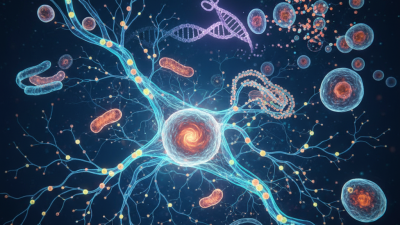
Human cells are the building blocks of life, playing crucial roles in the function of our bodies. Each "cell human" operates like a tiny machine, contributing to our overall health. Among the trillions of cells, they specialize in various tasks, from energy production to immune response. Understanding their complexities can reveal insights into human biology.
Cells work together to maintain balance. They communicate through signals, ensuring all systems function harmoniously. This communication is vital for healing and growth. However, the intricacies of these processes are not fully comprehended. Research continues to uncover the mysteries of cellular interactions.
Despite our advancements, misconceptions about human cells persist. Many overlook the significance of each type of cell. Some apply this knowledge incorrectly in health discussions. Acknowledging our limitations encourages further inquiry and understanding. Recognizing the cell's role is essential in appreciating the human body's marvels.
Definition and Characteristics of Human Cells
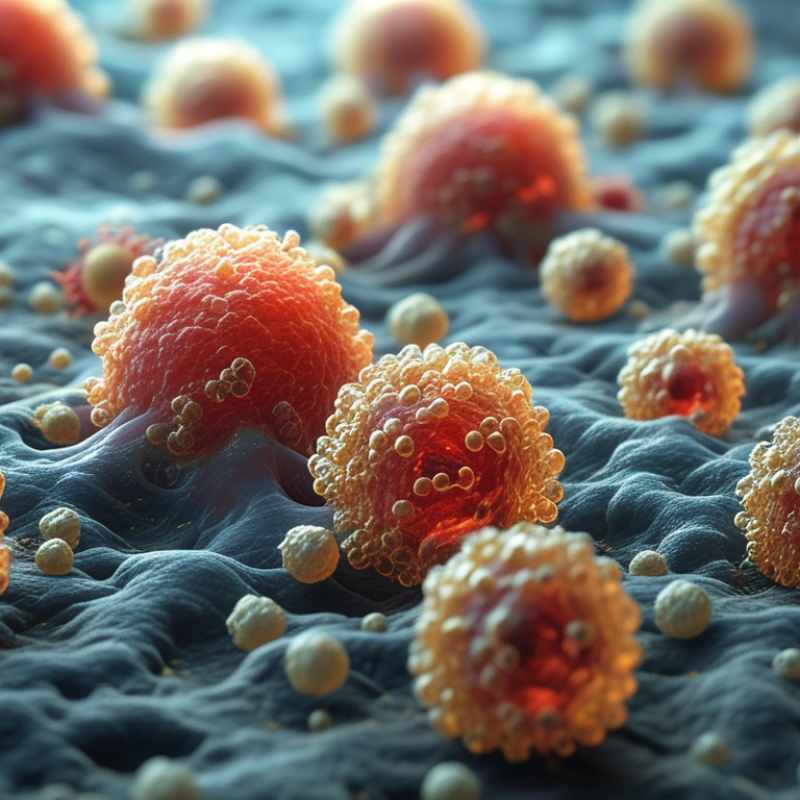
Human cells are the fundamental building blocks of life. They perform essential functions that sustain the body. A typical human body contains approximately 37.2 trillion cells. These cells vary in size, shape, and function. For instance, red blood cells are disc-shaped and transport oxygen, while neurons have long extensions to signal between different parts of the body.
The characteristics of human cells are remarkable. They have a membrane that regulates the flow of substances in and out. Human cells contain DNA, which carries genetic information. This genetic material is crucial for growth, development, and reproduction. According to the Human Cell Atlas project, our body has around 200 different cell types, each specialized for a particular function. This diversity enhances the body's ability to respond to environmental changes.
However, there are challenges in understanding cell behaviors. Research shows that not all cells respond in predictable ways; some may act inconsistently. For instance, immune cells can react differently to the same pathogen depending on previous exposures. This variability points to the need for deeper insights into cellular functions and interactions. Studying human cells is an ongoing journey, one that continues to reveal the complexities of life at a microscopic level.
What is a Human Cell and Its Role in the Body? - Definition and Characteristics of Human Cells
| Cell Type |
Definition |
Primary Function |
Characteristics |
| Epithelial Cells |
Cells that line the surfaces of the body |
Protection, absorption, secretion |
Tightly packed, have polarity |
| Muscle Cells |
Cells that make up muscle tissue |
Movement |
Long and contractile |
| Nerve Cells |
Cells that transmit nerve impulses |
Signal transmission |
Excitable, with long extensions (axons) |
| Blood Cells |
Cells that circulate in the blood |
Transport of oxygen, waste, and immune functions |
Can be red (erythrocytes) or white (leukocytes) |
| Stem Cells |
Undifferentiated cells capable of giving rise to various types |
Regeneration and repair |
Pluripotent or multipotent, self-renewing |
Types of Human Cells and Their Functions
Human cells are fascinating structures that serve as the building blocks of life. There are over 200 types of human cells, each performing specific functions crucial for maintaining health and vitality. For example, red blood cells transport oxygen, while neurons facilitate communication within the nervous system. According to a report from the National Institute of Health, the body is made up of approximately 37.2 trillion cells, highlighting their sheer abundance and importance.
Muscle cells are vital for movement and come in three types: skeletal, cardiac, and smooth. Skeletal muscle cells enable voluntary movements, while cardiac muscle cells ensure the heart functions. Smooth muscle cells aid in involuntary processes like digestion. On the other hand, epithelial cells form protective barriers and are essential in absorption and secretion. This diversity emphasizes the specialized roles each cell type plays in keeping the body functioning optimally.
Tip: To support your cells' health, consider a balanced diet rich in nutrients. Foods like fruits, vegetables, and lean proteins provide essential vitamins and minerals that empower cell functions. Additionally, hydration is crucial; proper water intake helps cells maintain their shape and facilitates cellular processes. Reflecting on your daily habits is essential for enhancing overall cell health. What can you change today for better well-being?
The Structure of Human Cells: Organelles and Their Roles
Human cells are the building blocks of our body. Each cell is a complex unit containing various organelles, which serve different functions. Understanding these organelles is essential, as they play a key role in maintaining life.
The nucleus is the control center. It houses the DNA, directing cell activities. Mitochondria, often called the powerhouse, generate energy. They convert nutrients into ATP, which powers cellular processes. The endoplasmic reticulum comes in two forms: rough and smooth. Rough ER has ribosomes on its surface and is involved in protein synthesis. Smooth ER, free of ribosomes, helps in lipid production and detoxification.
However, not all processes are perfect. Sometimes cells malfunction. Miscommunications can lead to diseases. Lysosomes contain enzymes that break down waste, but they can fail. This may cause a buildup of unwanted materials. Each organelle plays a vital role, yet their interactions are complex. Understanding them helps us grasp cellular health and disease better.
Human Cell Organelles and Their Functions
This chart illustrates the functions of various organelles found in human cells, showcasing the proportionate significance of each organelle in cellular activities.
Human Cell Division and Cell Cycle Process
Human cells are the basic building blocks of life. Each cell undergoes division through a complex process known as the cell cycle. This cycle is essential for growth, repair, and maintenance of tissues in the body. It consists of several stages: interphase, mitosis, and cytokinesis. During interphase, the cell prepares for division. It duplicates its DNA, ensuring each daughter cell receives a complete set.
Mitosis is further divided into phases: prophase, metaphase, anaphase, and telophase. Each phase has distinct features and functions. Cytokinesis follows mitosis, where the cytoplasm divides, resulting in two separate cells. Errors in these processes can lead to uncontrolled cell growth, potentially resulting in cancer.
Even with advanced knowledge, scientists still face challenges understanding every aspect of the cell cycle. Each division carries a risk, echoing the delicate balance between growth and regulation in our bodies. Despite extensive research, the complexities of cell division highlight areas where further investigation is essential. This ongoing exploration reminds us of the intricacies of human biology.
The Importance of Human Cells in Overall Health and Disease
Human cells are fundamental to our health. They serve as the building blocks of life. Each cell plays a unique role, from energy production to immune defense. According to the National Institutes of Health, the human body contains approximately 37 trillion cells. These cells communicate and work together to maintain homeostasis and respond to threats.
In terms of disease, cells are key players. For instance, cancer cells grow uncontrollably, forming tumors. The World Health Organization reports that cancer is responsible for nearly 10 million deaths annually. This illustrates how cellular dysfunction can lead to severe health issues. Moreover, understanding cell behavior can improve treatment options. Researchers are exploring how specific cells can be targeted to enhance therapies.
It's concerning that many people neglect cell health. Poor diet and lifestyle choices can lead to cellular damage. Studies show that oxidative stress from unhealthy habits can accelerate aging at the cellular level. This highlights the need for better awareness of how our choices impact cellular health. Engaging in regular physical activity and a balanced diet can foster healthier cells and, ultimately, a more resilient body.