10 Essential Tips to Understand the Biology of a Human
Understanding the biology of a human is crucial to our existence. Dr. Emily Carter, a renowned biologist, has once said, "The complexities of human biology reveal the beauty of life." This idea encapsulates the significance of grasping how our bodies function.
Human biology encompasses various systems and processes. Each has a unique role that contributes to overall health. From DNA to cellular functions, every aspect is interconnected. Yet, many overlook these connections. For example, most people might not appreciate how the respiratory and circulatory systems work together. Recognizing such relationships is essential for comprehension.
Delving into the biology of a human can be daunting. It may seem overwhelming at times. However, grasping these concepts is rewarding. It helps us understand not only ourselves but also our interactions with the world. Embracing this knowledge can inspire curiosity and deeper inquiry. Why do we move? How does our body respond? The questions are endless, inviting us to explore further.
Key Components of Human Cells and Their Functions
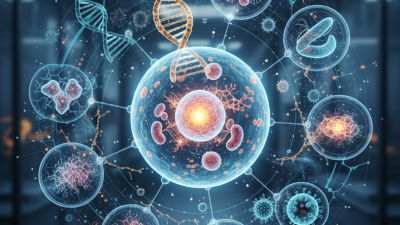
Human cells are the building blocks of life. They play essential roles in our bodies. Understanding their components helps us appreciate how life operates at a microscopic level. Each cell consists of various parts, such as the nucleus, mitochondria, and ribosomes. These components work together to maintain life functions.
One essential tip is to focus on the nucleus. This organelle contains our DNA and regulates cell activity. Think of it as the control center. Another crucial component is mitochondria, often called the powerhouse of the cell. They generate energy through respiration. Their efficiency can vary, which impacts overall health. Observing how these parts function can lead to greater insights about our bodies.
Ribosomes, though tiny, also play a big role. They create proteins based on the instructions from DNA. Without them, cells wouldn’t be able to perform their functions. Consider how a simple error in this process affects our health. Each part has its importance, but their interdependence is vital. Recognizing this can inspire deeper reflections on human biology.
Understanding Genetic Material: DNA and RNA Roles
DNA and RNA are fundamental to life.
DNA, or deoxyribonucleic acid, carries genetic instructions. It resides in the nucleus of cells.
Imagine it as a twisted ladder, with the rungs made of base pairs. These bases hold the information needed to build proteins.
Each sequence matters. Small changes can lead to profound effects. For instance, a single nucleotide mutation may cause a genetic disorder.
RNA, or ribonucleic acid, plays a different role. It acts as a messenger.
RNA transcribes the information from DNA. This copy travels from the nucleus to the cytoplasm.
Here, it guides protein synthesis. RNA can also have regulatory functions. It helps control gene expression.
Understanding these materials is crucial. It sparks questions about heredity and evolution.
Why do certain traits persist? How do mutations influence survival?
Embracing these uncertainties is part of learning biology. Each discovery opens new avenues for exploration.
The more we uncover, the more we realize how much we have yet to understand.
The Human Organ System: Overview and Interconnections
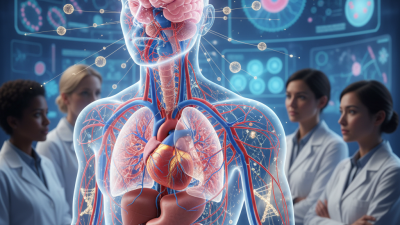
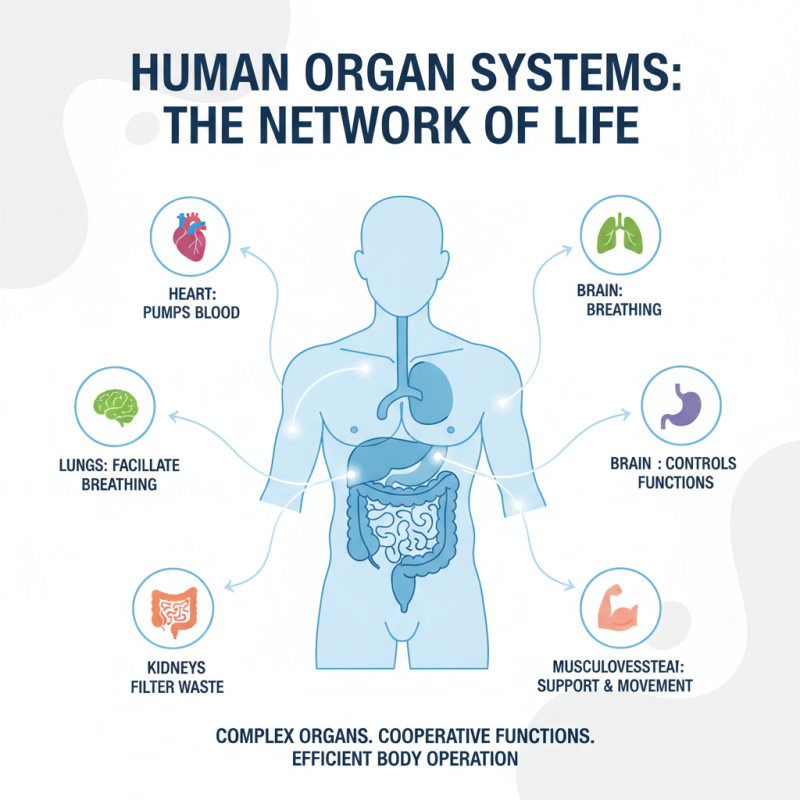
The human organ system is a complex network. It comprises various organs working together to maintain life. Each organ has a specific function. For example, the heart pumps blood, while the lungs facilitate breathing. This interconnection allows for efficient body operation.
Understanding these connections is crucial. The digestive system interacts with the circulatory system. Nutrients are absorbed and transported to cells. Hormones released by endocrine glands affect other organs, like the kidneys. These relationships reveal our body's reliance on balance. Yet, when one system falters, others may struggle too.
Observing these systems often leads to questions. How does stress impact digestion? Can a healthy heart affect mental clarity? Each inquiry prompts deeper reflection on our biology. It is a reminder of the body's intricate design, urging us to care for each part.
Homeostasis: How Humans Maintain Internal Balance
Homeostasis is a vital process in the human body. It refers to the ability to maintain internal stability despite external changes. For example, the human body regulates temperature, pH levels, and hydration. According to a report by the National Institutes of Health, core body temperature typically ranges from 36.1°C to 37.2°C. Deviations from this range can lead to serious health issues, showcasing the importance of homeostasis.
The body employs various mechanisms to achieve balance. The hypothalamus plays a key role in temperature regulation. When external temperatures rise, sweat glands activate. This cooling method is crucial during heatwaves. Data indicates that roughly 6,000 people in the U.S. die annually due to heat-related illnesses. Hydration also impacts homeostasis; lacking water can significantly affect bodily functions. Research shows that even mild dehydration can affect mood and cognition.
Despite these processes, challenges remain. Modern lifestyles often disrupt our natural balance. High stress and poor diet can impair homeostasis. For instance, chronic stress elevates cortisol levels, leading to increased blood pressure. This highlights a need for reflection on daily habits. Recognizing the delicate nature of our internal systems is key for better health management.
Homeostasis: How Humans Maintain Internal Balance
This chart illustrates the normal ranges of various biological parameters essential for human homeostasis compared to current measurements. These parameters include body temperature, blood glucose level, pH level, blood pressure, and oxygen level, all critical for maintaining internal balance in human physiology.
The Role of Evolution in Human Biology and Behavior
Understanding the role of evolution in human biology and behavior is fascinating. Our bodies are shaped by millions of years of adaptation. Natural selection has favored traits that enhance survival and reproduction. For example, our ability to digest lactose in adulthood is a relatively recent adaptation. It shows how human biology can change quickly in response to environmental factors.
Human behavior also reflects our evolutionary past. Cooperation, social bonding, and even aggression can be traced back to ancestral survival strategies. In small groups, cooperation meant better chances of survival. Yet, today, this instinct can lead to complex social dynamics. Conflicts arise not only from competition but also from misunderstanding these ancient behaviors.
Recognizing these influences can be challenging. Sometimes, we find ourselves acting on primal instincts rather than rational thoughts. It reminds us of the ongoing struggle between our biological imperatives and modern life. Evolution does not dictate our actions, but it provides context for understanding them. This reflection helps us navigate the complexities of our interactions.
10 Essential Tips to Understand the Biology of a Human - The Role of Evolution in Human Biology and Behavior
| Tip No. |
Tip |
Description |
Relevant Concept |
| 1 |
Understand Natural Selection |
Learn how natural selection impacts traits in humans over generations. |
Evolutionary Biology |
| 2 |
Explore Genetic Variation |
Recognize the importance of genetic diversity in human populations. |
Genetics |
| 3 |
Examine Behavior Through Evolution |
Investigate how evolutionary pressures shape human behavior. |
Behavioral Ecology |
| 4 |
Learn About Adaptation |
Study how adaptations enhance survival and reproduction. |
Adaptation Theory |
| 5 |
Explore Human Evolutionary History |
Investigate the major milestones in human evolution. |
Paleoanthropology |
| 6 |
Recognize the Role of Culture |
Understand how culture influences human behavior and biological evolution. |
Cultural Evolution |
| 7 |
Investigate Physiology and Anatomy |
Learn how anatomical structures have evolved to serve specific functions. |
Human Anatomy |
| 8 |
Embrace Neurobiology |
Understand how the brain has evolved and its role in behavior and cognition. |
Neuroscience |
| 9 |
Acknowledge Environmental Impact |
Recognize how environmental changes influence human biology. |
Ecological Studies |
| 10 |
Understand Evolutionary Medicine |
Explore how evolutionary principles can improve medical practices. |
Evolutionary Medicine |