10 Essential Tips for Successful Cell Cultivation Techniques?
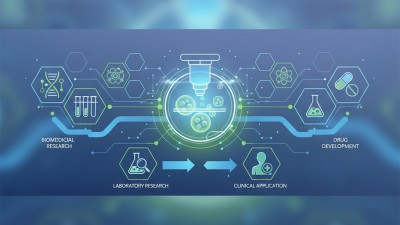
Cell cultivation is a cornerstone of modern biotechnology. In recent years, the global market for cell culture has witnessed significant growth, projected to reach $8.35 billion by 2026. This increase is driven by advancements in research and development, particularly in pharmaceuticals and regenerative medicine. Effective cell cultivation techniques are crucial for successful experiments and therapeutic applications.
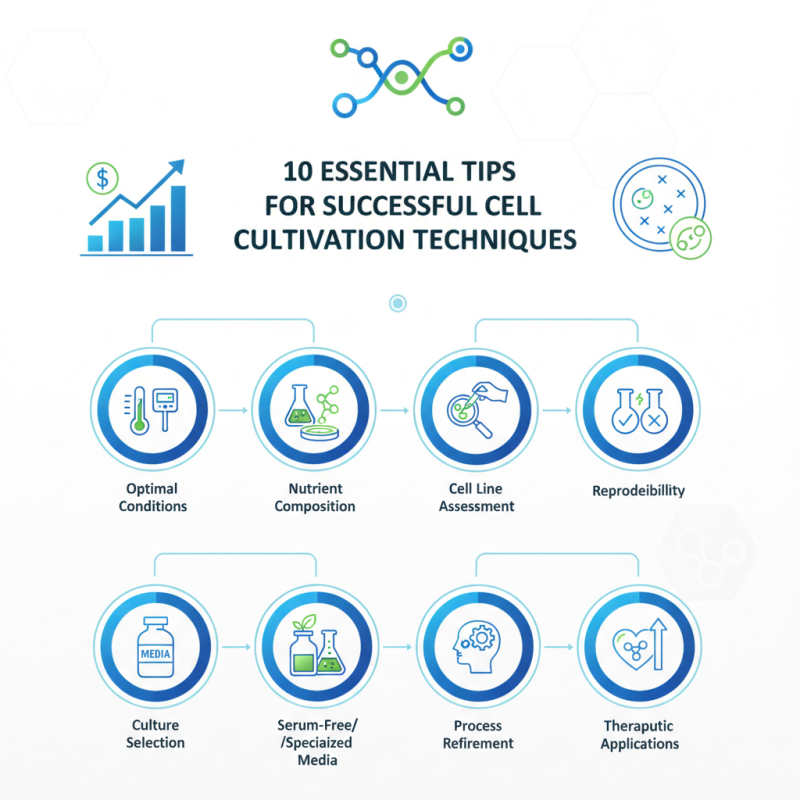
Ensuring optimal growth conditions is not just about following protocols. Small variations in temperature, pH, or nutrient composition can lead to substantial differences in cell behavior. A study indicated that 30% of cell lines tested showed contamination issues, highlighting the need for sterile techniques. Researchers must continually assess their methodologies to refine processes and ensure reproducibility.
Moreover, the choice of culture media can greatly influence outcomes. Conventional media often fails to support the metabolic needs of more complex cell types. As such, integrating serum-free or specialized media is becoming more common. This requires constant learning and adaptation, reflecting the dynamic nature of cell cultivation. Sound practices are necessary to cultivate cells successfully and advance their applications in therapeutic innovations.
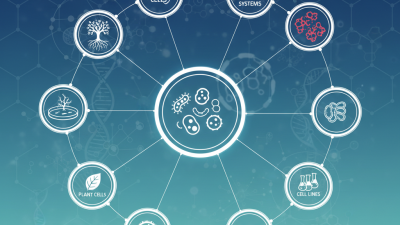
Choosing the Right Cell Type for Cultivation Success
Choosing the right cell type for cultivation is crucial in research.
Different cells have unique requirements and characteristics. For example, primary cells can offer more authentic biological responses but might be challenging to maintain.
In contrast, immortalized cell lines can proliferate indefinitely. However, they may not always mimic natural behavior accurately.
When selecting a cell type, consider your research goals. If studying cancer, tumor-derived cells could be beneficial. For immunology, lymphocytes may provide insights into the immune response.
Evaluate the availability and growth conditions of the cells. Some may require specialized media and environmental conditions.
It’s also important to reflect on the limitations of your chosen cell type. Can they truly represent the in vivo environment?
Are there ethical considerations in sourcing? These questions can guide your decision-making. Ultimately, the right cell type can enhance the validity of your results, but careful consideration is always necessary.
Essential Materials and Equipment for Effective Cell Culture
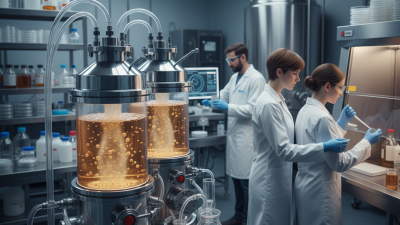
When embarking on cell cultivation, it is crucial to have the right materials and equipment. Basic necessities include sterile petri dishes, flasks, and culture media. Using high-quality media can significantly impact growth rates. Always check the pH and nutrient levels before use. Sterilization techniques, like autoclaving, are essential for preventing contamination.
Ensuring a controlled environment is vital. Invest in an incubator that maintains precise temperature and CO2 levels. Monitor these factors regularly. It's important to keep detailed logs of environmental conditions. This data provides insights for troubleshooting.
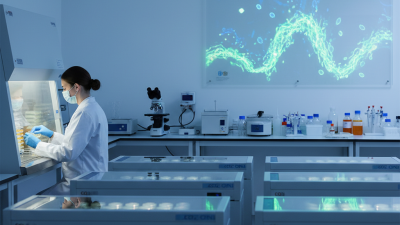
Regular observation is essential for successful cell culture. Watch for any signs of contamination or abnormal growth. Should issues arise, reflect on whether all protocols were followed. Evaluating your processes can often lead to improvements and better results. Cultivation is not always perfect. Embrace challenges as learning opportunities.
Cell Cultivation Techniques Overview
This chart illustrates the effectiveness score of various essential cell cultivation techniques, highlighting areas such as medium preparation, sterilization, and contamination control, which are critical for successful cell culture practices.
Optimizing Growth Conditions: Temperature, pH, and CO2 Levels
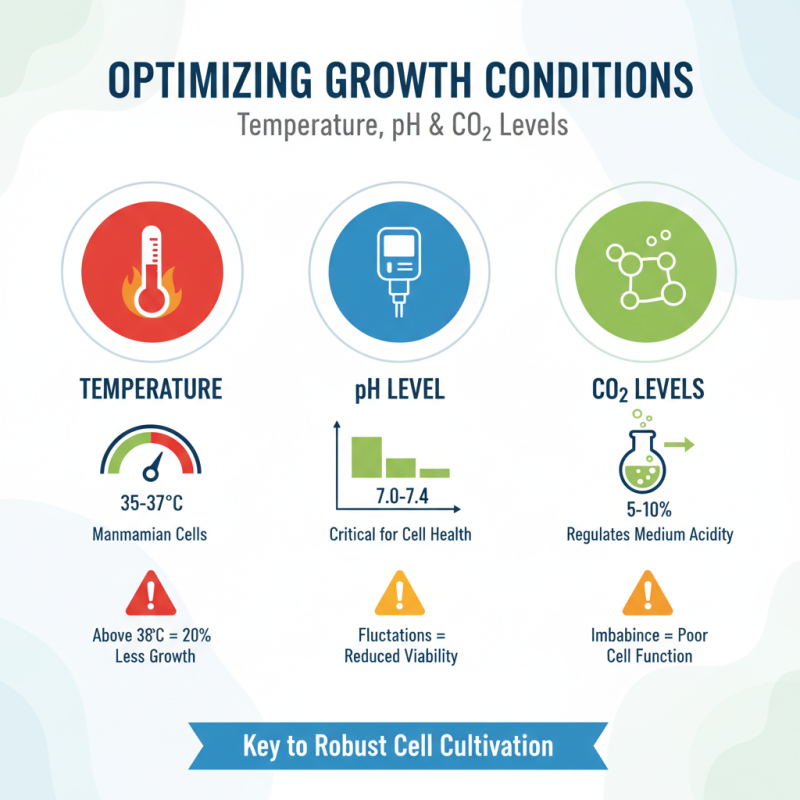
Temperature, pH, and CO2 levels play crucial roles in cell cultivation. Optimal temperature ranges are typically between 35°C and 37°C for mammalian cells. Deviation from this range can lead to reduced cell viability. Studies indicate that even a slight increase in temperature, above 38°C, can decrease cell growth by 20% over just a few days.
Maintaining pH is also vital. Most cells thrive in a physiological pH of around 7.4. A shift from this range can alter cellular metabolism and protein expression. In a study published by the Journal of Cell Science, fluctuations in pH levels caused a significant decrease in cell proliferation rate. It's essential to monitor pH regularly using calibrated sensors to ensure a stable environment.
CO2 levels directly affect the bicarbonate buffering system in cell cultures. For optimal growth, CO2 concentrations should be kept around 5%. Failure to maintain this level can result in metabolic stress. Research shows that cells exposed to lower CO2 levels exhibit reduced growth rates and altered gene expression. Regular checks and adjustments are necessary for maintaining a thriving cell culture environment.
Monitoring and Managing Contamination Risks in Cell Cultures
Monitoring contamination in cell cultures is vital for successful experiments. Bacterial and fungal contamination can quickly jeopardize research outcomes. Lab workers should regularly inspect cultures for unexpected changes in appearance, such as cloudiness or discoloration. Simple observations can save time and resources.
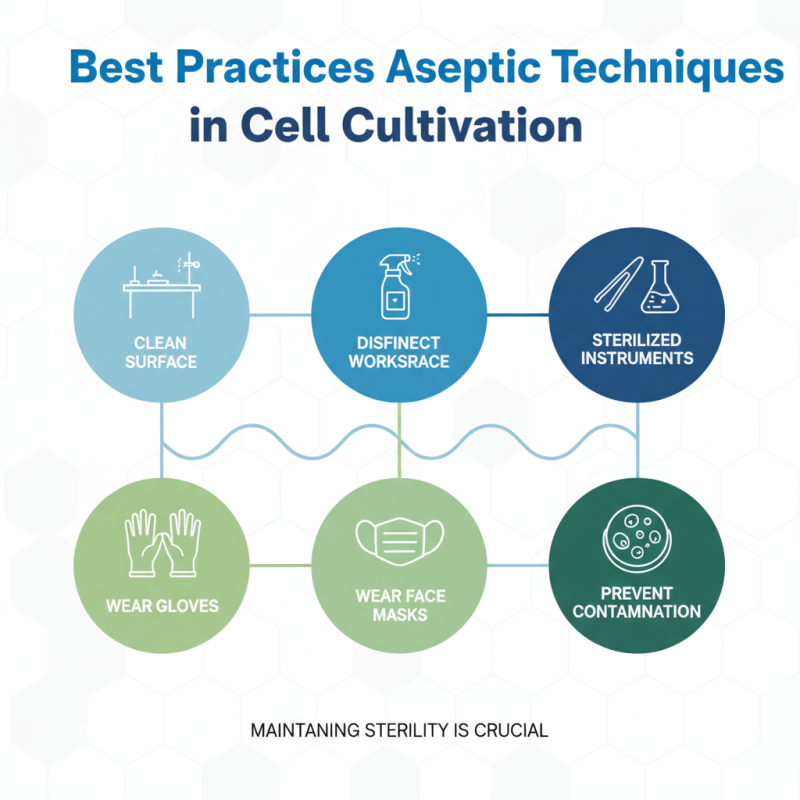
Maintaining a sterile environment is crucial. Use proper cleaning protocols for surfaces and equipment. But, mistakes can happen. Some lab members might overlook small spills or forget to sanitize their hands. This can lead to contamination. Regular training and reminders can help reinforce best practices.
In addition, employing molecular techniques can enhance monitoring. Techniques like PCR can detect contamination early. However, not all labs may have access to these resources. A balance of simple observational methods and advanced techniques is often necessary. Always be aware of the limitations in your approach and adapt accordingly.