Why is Cell Cultivation Essential for Modern Biotechnology?
In modern biotechnology, cell cultivation plays a vital role. This fundamental process allows scientists to grow and manipulate cells for various applications. Dr. Emily Johnson, a renowned expert in the field, emphasizes the importance of cell cultivation: "The ability to cultivate cells is the backbone of innovative biotechnological advancements." Her insights highlight how this process supports research and therapeutics.
Cell cultivation enables the production of proteins, vaccines, and even gene therapies. It provides a controlled environment to study cellular behavior. However, challenges remain in this field. Optimization of growth conditions is often required. Each cell type may react differently. Researchers must remain adaptable and vigilant. Mistakes in the cultivation process can lead to flawed results.
Moreover, ethical considerations are paramount. The cultivation of human cells brings complex moral questions to the forefront. Scientists must navigate this landscape with care. Balancing innovation and responsibility is essential. As the field evolves, experts must continue to refine their methods and approaches. Only then can cell cultivation truly fulfill its potential in biotechnology.
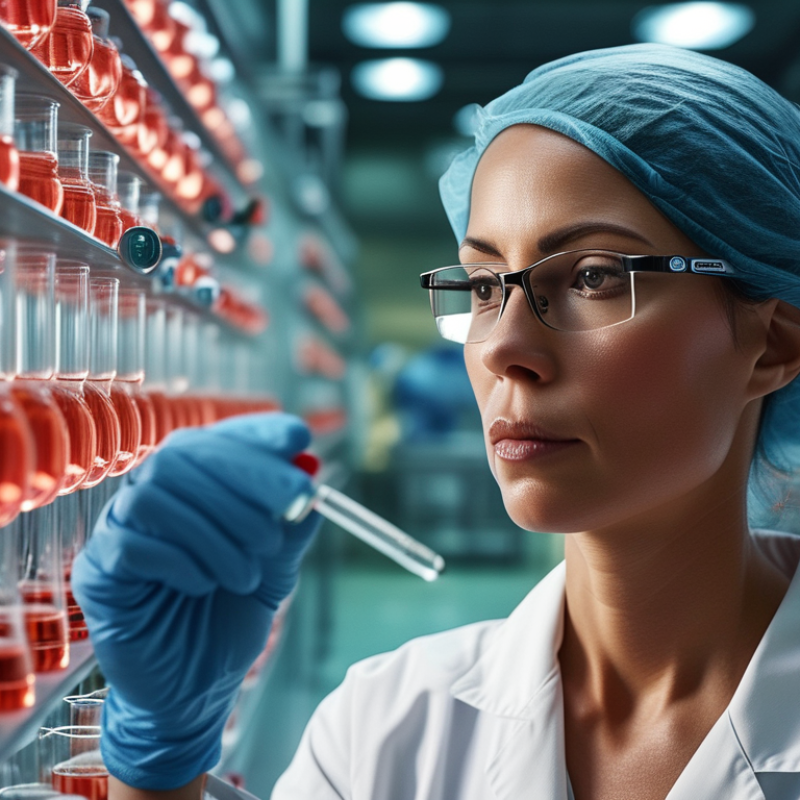
Importance of Cell Cultivation in Biotechnology Advancement
Cell cultivation plays a pivotal role in the advancement of modern biotechnology. This technique allows scientists to grow cells under controlled conditions, facilitating research in genetics, medicine, and pharmaceuticals. According to a report by MarketsandMarkets, the global cell culture market is expected to reach $29 billion by 2023. This indicates a sharp rise in the importance of cell cultivation in developing new therapies and vaccines.
Through cell cultivation, researchers can effectively study cellular behavior and disease mechanisms. For instance, cancer research has benefited immensely. Scientists cultured cancer cells to understand their growth patterns. Data from the National Cancer Institute shows that cell-based assays have led to significant breakthroughs in cancer treatments. However, challenges remain. Cell lines can behave differently than in their natural environments, leading to potential inaccuracies.
Additionally, the continuous development of cell culture technologies raises questions about sustainability. Techniques like 3D culturing are promising but come with high costs and technical barriers. Data from industry analysts suggest that while cell culture methods improve, accessibility remains an issue. The need for more affordable solutions is essential as the demand for innovative biotechnological solutions grows. The path forward requires balancing innovation with practicality.
Importance of Cell Cultivation in Biotechnology Advancement
Cell cultivation plays a crucial role in modern biotechnology. This chart illustrates the global increase in cell culture practices across various biopharmaceutical applications from 2015 to 2023.
Key Techniques in Cell Cultivation for Research and Development
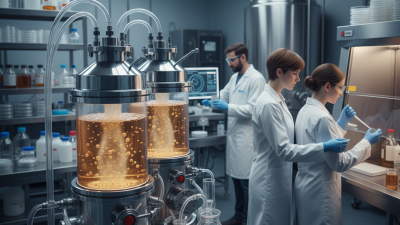
Cell cultivation plays a critical role in modern biotechnology. It provides a controlled environment for cells to grow and thrive. This technique supports research in areas like drug development, genetic engineering, and regenerative medicine. By using various methods, scientists can manipulate cell behavior and study biological processes closely.
Key techniques in cell cultivation include sterile techniques and media preparation. Maintaining sterility is crucial to prevent contamination. Aseptic conditions allow researchers to ensure accurate results. Media preparation is another vital aspect. It involves creating nutrient-rich solutions tailored to specific cell types. This can significantly affect cell growth and productivity.
However, challenges remain in cell cultivation. Not all cell types adapt well to in vitro conditions. Some may lose functionality over time. Additionally, scaling up production from laboratory settings to industrial levels introduces complexities. Each step requires careful monitoring and adjustments. These issues emphasize the need for ongoing research and innovation in cell cultivation methods.
Applications of Cultivated Cells in Pharmaceuticals and Medicine
Cell cultivation has become a cornerstone of modern biotechnology, particularly in pharmaceuticals and medicine. It enables the production of biologics, including monoclonal antibodies and stem cells. According to a report from Grand View Research, the global biopharmaceutical market is expected to reach $526 billion by 2025, largely fueled by cultivated cells. These cells serve as versatile platforms for drug development, diagnostics, and regenerative therapies.
Cultivated cells are pivotal in vaccine development. For instance, in response to the COVID-19 pandemic, cell lines were crucial for the rapid production of vaccines that underwent extensive testing. This demonstrated the need for a reliable cell culture system. However, cultivating cells is not without challenges. Issues such as contamination and variability can impact results significantly. Researchers must consistently refine techniques to ensure the reliability of their findings.
Tips: Always maintain a sterile environment during cell cultivation. Regular training can help prevent contamination. Consider keeping detailed records of your cultivation process to identify any recurring issues. Engaging in peer discussions can also help find better solutions to common problems.
Role of Cell Cultivation in Genetic Engineering and Synthetic Biology
Cell cultivation plays a critical role in modern biotechnology, particularly in genetic engineering and synthetic biology. According to a report by Markets and Markets, the global cell culture market is projected to reach $40 billion by 2026. This growth highlights the increasing importance of cell cultivation in producing biological materials and therapeutics.
In genetic engineering, cells serve as the foundation for modifying organisms. Techniques like CRISPR rely on cultured cells for precise gene editing. For instance, research from the National Institutes of Health indicates that genetically engineered cells can produce insulin more efficiently than traditional methods. This capability leads to better therapeutic outcomes for diabetes patients. However, challenges remain. Many scientists question the scalability of these processes and the consistency of results obtained from cell lines.
Synthetic biology also leverages cell cultivation to design new biological systems. By transforming microorganisms, researchers can create biofuels or biodegradable plastics. The global synthetic biology market could exceed $38 billion by 2025, as reported by Transparency Market Research. Yet, ethical considerations arise. The manipulation of living cells raises questions about safety and ecological impact.
Tips: Focus on quality over quantity when selecting cell lines. Understanding the source and history of your cell lines can significantly influence your research outcomes. Be prepared for unexpected results; they often provide the most valuable insights.
Challenges and Future Directions in Cell Cultivation Practices
Cell cultivation plays a pivotal role in modern biotechnology. However, it faces significant challenges that impact its potential. One major issue is the reproducibility of results across different labs. Variability in cell lines and experimental conditions can lead to inconsistent data. This uncertainty makes it hard for researchers to validate their findings.
Another challenge is scaling up cell cultures. As demand for biopharmaceuticals rises, it becomes essential to transition from small-scale to large-scale production. Yet, methods for maintaining cell health and productivity at scale are still underdeveloped. Researchers often struggle with cellular stress and contamination in larger systems.
Tips: Regular monitoring of culture conditions, including pH and temperature, is essential for cell viability. Documenting every change during experiments can also help track inconsistencies. Future innovations may include improved bioreactor designs that emulate in vivo conditions more closely. Embracing new technologies like 3D cell culture could improve scalability and reproducibility, yet practical implementation remains a hurdle. Continuous adaptation and reflection are crucial in overcoming these obstacles in cell cultivation.
Why is Cell Cultivation Essential for Modern Biotechnology? - Challenges and Future Directions in Cell Cultivation Practices
| Dimension |
Current Trends |
Challenges |
Future Directions |
| Scalability |
Adoption of bioreactors |
Scaling up from lab to industrial scale |
Improve bioreactor designs |
| Cell Line Development |
Use of genetic engineering |
Genetic instability |
CRISPR technology advancements |
| Ethical Considerations |
Increased regulatory frameworks |
Public perception issues |
Enhancing transparency in research |
| Cost Efficiency |
Optimization of culture media |
High operating costs |
Development of cheaper materials |