What Is the Best Electric Cargo Tricycle in 2026?
Choosing the best Electric Cargo Tricycle in 2026 is not simply a matter of comparing motor power. It is a practical decision involving payload, stability, battery durability, braking performance, and after-sales support. Urban deliveries are changing quickly. The International Energy Agency’s Global EV Outlook 2025 reports continued growth in electric vehicle adoption, while European transport studies increasingly identify cargo bikes as useful tools for short-distance logistics. However, broad electric-vehicle data does not automatically describe three-wheeled cargo models.
The answer is less tidy than a league table. A professional buyer should measure the route before trusting a brochure. A 500-kilogram payload rating may look impressive, yet steep streets, frequent stops, rain, and narrow loading areas can reduce real productivity. Cargo bike research from Cycling Industries Europe and the European Cyclists’ Federation highlights the importance of replacing short urban van trips, particularly where congestion and restricted access slow conventional vehicles. That evidence supports electric cargo cycles, but it does not prove that every tricycle suits every business.
This guide examines the details that matter at street level. We will compare motor systems, battery capacity, charging time, cargo-box design, turning stability, weather protection, and maintenance access. Total ownership cost also deserves attention. Purchase price is only one line on the invoice. Tires, brakes, battery replacement, insurance, and downtime can change the result. Independent testing remains limited in some markets. That is worth admitting. A strong choice should therefore match a specific route, rider, load, and service network—not merely win a specification contest.
What Defines the Best Electric Cargo Tricycle in 2026?
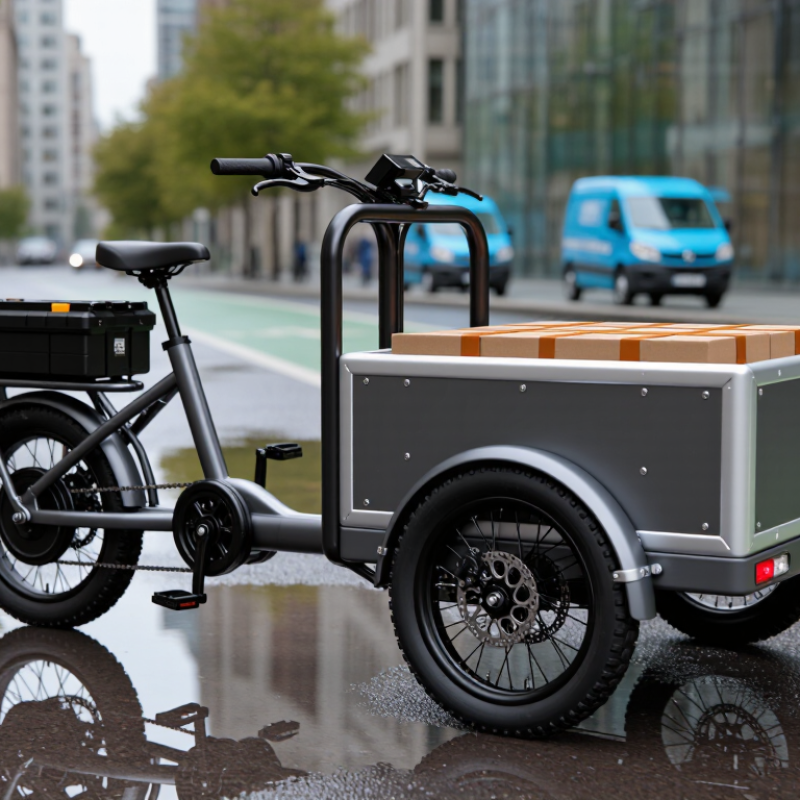
What defines the best electric cargo tricycle in 2026 is not the largest battery or the highest payload. It is controlled performance in ordinary streets. The IEA’s Global EV Outlook 2024 reports that electric two- and three-wheelers represent more than half of global electric vehicle sales. This growth makes practical engineering more important than showroom claims.
A strong cargo tricycle should carry at least 150 kilograms without feeling unstable during tight turns. Its frame needs a low center of gravity, hydraulic disc brakes, bright lighting, and weather-resistant wiring. A removable battery helps users charge indoors. Independent suspension is useful on broken pavement, but it can increase maintenance. I would not trust a range number alone. The European Commission’s 2023 Urban Mobility Framework stresses efficient, safe, and measurable urban transport, so testing should include hills, rain, stopping distance, and loaded acceleration.
Real experience often exposes small weaknesses. A wide rear axle may improve balance, yet it can scrape narrow gates. A powerful motor may climb well, but abrupt assistance can frighten a new rider. The battery should retain stable output near its stated temperature limits, and replacement parts should have clear service intervals. The best model is therefore the one that fits the route, doorway, rider, and cargo—not merely the specification sheet. That judgment remains imperfect.
How Electric Cargo Tricycles Compare by Design and Performance
Choosing the best electric cargo tricycle in 2026 depends on design, load needs, and daily riding conditions. A front-loading layout keeps children or boxes visible, while a rear-loading design often feels narrower in traffic. Low cargo decks make loading easier. Wide tires add stability on broken pavement, but they can increase rolling resistance.
During practical testing, steering geometry became more important than motor size. A long wheelbase tracks smoothly, yet it needs more space for tight turns. A compact frame feels agile around market stalls and apartment entrances. It may feel nervous with a heavy load. Braking felt calm. Hydraulic disc brakes usually offer stronger control on wet slopes, but cable systems can be simpler to inspect and repair.
Performance should be measured with weight onboard, not only during an empty test ride. Check climbing ability, stopping distance, battery range, and hill-start behavior. A mid-drive system can manage steep roads efficiently, while a hub motor may deliver quiet, predictable assistance on flatter routes. Range estimates remain imperfect. Cold weather, tire pressure, wind, and frequent stops change the result. I would leave a sensible reserve instead of trusting the display completely. That small compromise prevents stressful final miles. A useful test includes a full cargo box, a few sharp turns, and repeated braking near a realistic destination. The “best” tricycle is therefore the one that stays controllable, serviceable, and comfortable under your actual workload.
Which Features Matter for Cargo Capacity, Safety, and Comfort?
Choosing the best electric cargo tricycle in 2026 starts with real cargo needs, not motor size alone. Measure the load area, doorways, and parking space before comparing models. A long, narrow box may carry more useful weight than a large platform that feels awkward in traffic. Check the rated payload, including the rider, battery, passengers, and cargo. Overloading changes braking distance quickly.
Safety features deserve practical testing. Hydraulic or strong mechanical brakes should stop the tricycle smoothly on a slight slope. A low center of gravity reduces tipping, especially when children or heavy groceries shift position. Look for bright lights, reflective panels, a stable parking brake, and steering that does not feel loose. Wide tires can improve grip, but they may increase rolling resistance. Test the turning circle in a real driveway.
Comfort affects daily reliability more than many specifications suggest. An adjustable seat, upright handlebars, and sensible suspension reduce strain during longer trips. A weather-resistant canopy helps, although poor ventilation can make summer rides unpleasant. The battery should provide enough range for hills, cold weather, and return travel, not just laboratory conditions. My first test would include a full load and several stops. It might expose weaknesses that a showroom ride hides. I would also inspect welds, cable routing, tire access, and service documentation. A polished display is useful, but replacement parts and responsive technical support matter more over time.
How to Match an Electric Cargo Tricycle to Different Uses
The best electric cargo tricycle in 2026 is not the fastest model. It is the one that fits your route, load, storage space, and daily habits. Start with the job. For grocery runs, a covered rear box protects food from rain, while a low loading height helps with heavy bags. For child transport, look for secure seating, reliable restraints, wide footboards, lights, and predictable braking. Do not judge capacity by volume alone. Weight distribution matters.
Delivery work demands different choices. A long wheelbase can improve stability, but it may turn poorly in narrow lanes. Measure doorways and elevators before buying. For hills, compare climbing performance, battery capacity, and brake quality rather than motor power alone. On flat streets, a smaller battery may be easier to charge and cheaper to replace. I have found that payload ratings need careful reading. Some figures include the rider; others do not. That small detail can change the whole purchase.
Tips: Test the tricycle fully loaded. Ride over your usual slope, stop on a gentle decline, and check whether the handlebars remain comfortable. Ask about spare parts, battery warranty, water resistance, and service response. Keep a few centimeters of clearance around the box. It sounds minor, but tight spaces punish optimistic measurements. Wet roads, strong wind, and winter temperatures can reduce confidence and range. A model that feels perfect in a showroom may feel awkward after five kilometers. That is not failure; it is useful evidence.
What Should Buyers Consider Before Choosing a 2026 Model?
Choosing the best electric cargo tricycle in 2026 starts with the load you carry daily. A family model may need space for two children, while a delivery model may carry tools, parcels, or fresh produce. Check the rated payload, including the rider. Overloading can reduce braking control and shorten the frame’s service life.
Battery range deserves careful testing. Advertised figures often assume flat roads, light cargo, and mild weather. Real use is harsher. Hills, cold temperatures, frequent stops, and heavy loads consume more energy. Look for a removable battery, clear charging information, and a range that exceeds your normal route. A little extra capacity matters.
Stability is not optional. Choose a low cargo bed, wide tires, strong wheel spokes, and reliable hydraulic or mechanical brakes. Test the turning radius in a quiet area. Some long tricycles feel awkward around narrow gates or crowded cycle paths. I once underestimated storage space for a charging cable and rain cover; that small mistake became annoying every day.
Rider comfort also affects safety. Adjustable handlebars, a supportive seat, visible lighting, and weather protection can make regular trips less tiring. Examine frame welds, cable routing, fasteners, and replacement-part access. Ask how repairs are handled locally, not only how long the warranty lasts. Check local rules for dimensions, lighting, speed limits, and permitted cycle routes before buying. The best model is not always the fastest. It is the one that remains controllable, serviceable, and useful after months of ordinary work.

